Baja California Dreams: Road Tripping Between Desert and Sea
In this article you will find…
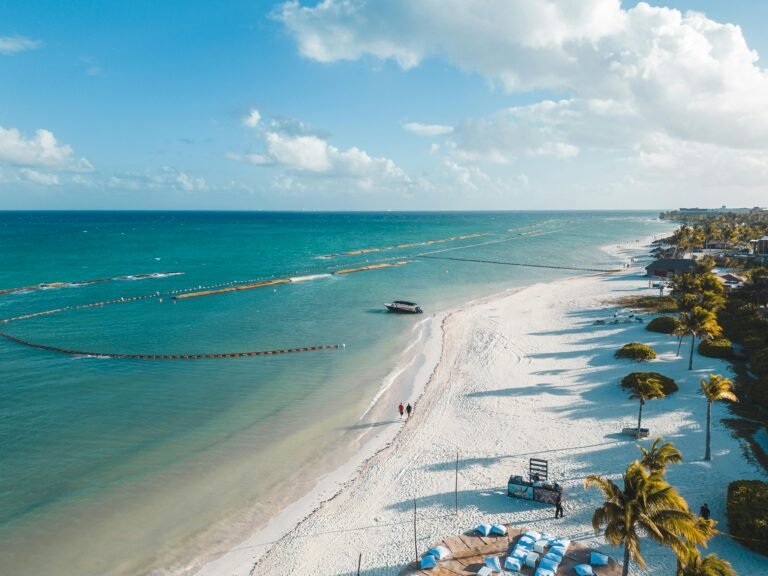
A road trip through Baja California is not just a journey from one destination to another. It is an awakening of the senses, a slow unraveling of what freedom truly feels like. The peninsula stretches between the Pacific Ocean and the Sea of Cortez, its landscapes shifting constantly from wild desert to turquoise waters, from cactus-covered hills to white sand beaches that seem untouched by time.
In this story, we will drive from La Paz to Cabo San Lucas, passing through hidden towns, remote coves, and winding coastal roads that take your breath away. You will learn about the art of slowing down, the joy of simplicity, and the quiet power of being surrounded by vastness.
Throughout this trip, I will share moments that stay etched in memory — the first sunrise over the desert, the laughter of locals in seaside cafés, the unexpected beauty of solitude. This road trip is not only about movement but also about stillness. It is about learning how sometimes, the most extraordinary thing you can do is simply be where you are.
1. La Paz: Where the Desert Meets the Sea
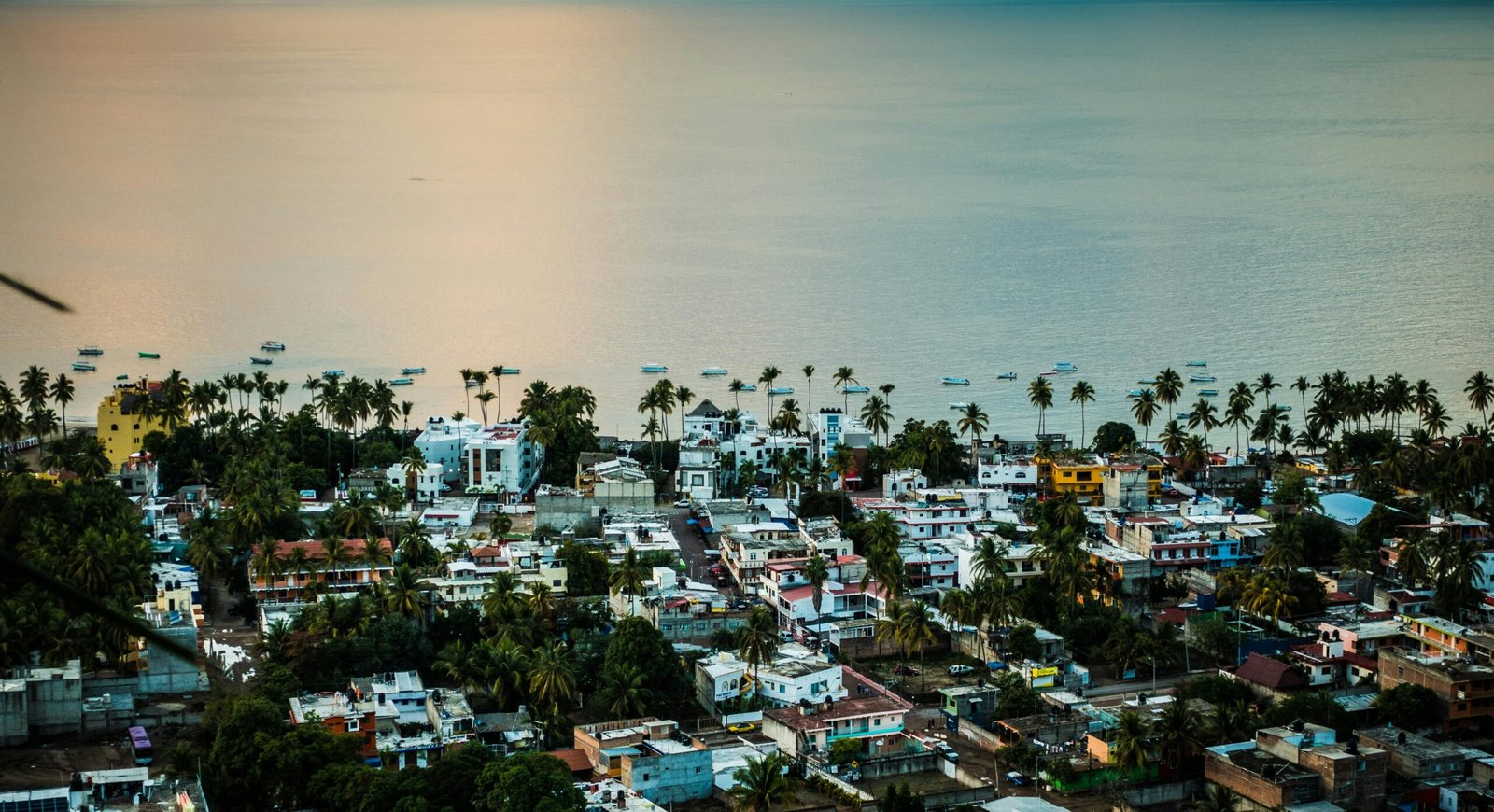
The journey begins in La Paz, a city that feels both humble and alive, perched beside the calm waters of the Sea of Cortez. The first thing you notice is the light — soft, golden, and endless. It fills every street and reflects off the waves, turning ordinary moments into something luminous.
In the morning, the Malecón, La Paz’s famous waterfront promenade, comes alive with joggers, cyclists, and artists painting quietly beneath the palms. The sea glitters beside them, and the air smells faintly of salt and mango. Walking there feels like stepping into the rhythm of the city itself — slow, open-hearted, and honest.
Moreover, La Paz is known for its connection to nature. Boat tours leave from the harbor to Isla Espíritu Santo, a UNESCO-protected island of coral reefs and pink cliffs. As you sail through the turquoise water, dolphins might appear alongside the boat, and frigate birds circle overhead. When you finally anchor near a quiet bay, you can dive into the crystal-clear sea and swim among sea lions who twist playfully through the water. It is impossible not to laugh as they glide around you, curious and free.
Later, you can spend the afternoon exploring Balandra Beach, often called one of the most beautiful beaches in Mexico. The water there is so shallow and transparent that it looks like glass, and the sand feels like silk beneath your feet. I remember floating on my back, the desert mountains rising behind me, and thinking that nowhere else in the world blends opposites so perfectly — heat and coolness, silence and movement, vastness and intimacy.
Furthermore, La Paz offers a culinary surprise. Small restaurants along the Malecón serve the freshest seafood imaginable: ceviche made with just-caught fish, shrimp tacos drizzled with lime, and cold Pacifico beer that tastes like sunlight. As evening falls, the sky turns peach and lavender, and locals gather to watch the sun dip below the horizon. It is not just a view; it is a ritual.
La Paz teaches you that sometimes, paradise is not loud or luxurious. It is calm, genuine, and deeply human.
2. Loreto: A Journey Through Time and Tranquility
Driving north from La Paz toward Loreto, the road winds between cactus-studded hills and empty horizons. Occasionally, the desert gives way to glimpses of the sea — flashes of blue so pure they look unreal. Every mile feels like a meditation.
When you finally reach Loreto, the town greets you with cobblestone streets and bougainvillea spilling over whitewashed walls. Founded in 1697, it is one of the oldest settlements in Baja California and carries an atmosphere of peaceful endurance. The Mission of Our Lady of Loreto, standing proudly in the central square, seems to anchor the town in time. Its bells ring softly over the plaza, mingling with the laughter of children and the aroma of roasted coffee.
Moreover, Loreto’s coastline offers some of the most tranquil waters in Mexico. Kayaking along the Bahía de Loreto National Park, you can watch pelicans glide low over the sea and fish leap through the surface like silver arrows. The islands nearby — Carmen, Danzante, and Coronado — are havens for snorkeling, full of coral reefs and marine life that shimmer beneath the sunlight.
In the evenings, the town comes alive gently. Locals gather at small restaurants where mariachis play softly in the background. You can try chocolata clams, grilled on the shell and seasoned with lime, or taste fish tacos al gobernador, filled with shrimp, cheese, and peppers. Each bite carries the flavor of the ocean and the warmth of hospitality.
In addition, Loreto feels deeply connected to the land around it. The desert here is not barren; it breathes. At sunset, the mountains turn pink, the air cools, and the scent of creosote and sage drifts through the streets. You realize that this quiet little town holds a wisdom modern life often forgets — the art of balance between work and rest, silence and conversation, motion and peace.
Loreto is not a place to visit once. It is a place to return to whenever you need to remember who you are.
3. Todos Santos: The Bohemian Soul of Baja
Heading south again, you reach Todos Santos, a town that feels like a secret shared among dreamers. Located about an hour from Cabo San Lucas, it is known for its artistic spirit, surf culture, and golden sunsets that seem to last forever.
The first time I arrived, I parked beneath a palm tree and walked straight to Calle Centenario, the town’s main street. Colorful walls lined the cobblestones, and galleries displayed paintings that looked like love letters to the desert. Moreover, musicians played on corners, and the scent of roasted coffee mixed with sea breeze. It felt like time had learned how to stretch itself here.
Todos Santos is an artist’s refuge. Painters, writers, and surfers coexist in a community that values creativity over perfection. Every café doubles as a gallery, every local you meet has a story, and conversations tend to drift from art to waves to the moon phases.
Furthermore, the nearby beaches are spectacular. Playa Cerritos, with its rolling waves, is perfect for learning to surf, while Playa Las Palmas offers solitude among palms and cliffs. When the afternoon sun hits the water, everything glows — the sand, the waves, even the air itself. It is the kind of light that makes you feel weightless.
At sunset, people gather along the shore, often barefoot, often silent, simply watching the sky change color. The sun sinks slowly into the Pacific, and everyone applauds, not out of habit but out of pure gratitude.
Dinner in Todos Santos is always memorable. Restaurants like Jazamango and Los Adobes use local produce and herbs grown right in the desert soil. The result is a cuisine that tastes both wild and refined. Fresh ceviche, handmade tortillas, grilled octopus — flavors that linger long after the meal ends.
Todos Santos is not only a stop on the road; it is a state of mind. It invites you to live with intention, to create, to breathe. And as a result, you leave feeling lighter, freer, and somehow more yourself.
4. Cabo San Lucas: Where the Desert Ends in the Sea
Eventually, the road leads to Cabo San Lucas, the glittering tip of the Baja Peninsula where the desert plunges dramatically into the ocean. Known for its rugged cliffs, luxury resorts, and lively energy, Cabo offers a perfect contrast to the serenity of the towns before it.
However, beyond the nightlife and glamour, Cabo hides moments of profound beauty. Take a boat from the marina to El Arco, the famous rock arch where the Pacific Ocean meets the Sea of Cortez. As you approach, the water shifts from turquoise to deep blue, and sea lions bask lazily on the rocks. The wind tastes of salt, and the sunlight seems to dance across the waves.
In addition, Lover’s Beach and Divorce Beach lie just beyond the arch, separated by a narrow stretch of rock. Their names hint at their personalities — one calm and sheltered, the other wild and restless. Standing between them, you understand that Baja California is a land of contrasts, and beauty often lives in those contrasts.
Furthermore, adventure abounds here. You can snorkel among schools of tropical fish, ride horses along the dunes, or take an off-road trip into the desert to watch the stars. The sky in Cabo at night is vast and unpolluted, and the constellations look close enough to touch.
Nevertheless, Cabo also knows how to slow down. Strolling along the marina at sunset, you can feel the pulse of the city soften. The lights shimmer on the water, and the laughter of fishermen and travelers mixes with the sound of waves. Eventually, the line between day and night blurs, and the whole world seems to exhale.
Cabo San Lucas may be known for its energy, yet it also holds immense peace. It is where endings feel like beginnings, where journeys close gently, not abruptly.
5. The Road That Changes You
Driving through Baja California is an experience that stays beneath your skin. The road stretches endlessly, the horizon glows, and the silence between places becomes part of the story. Each stop — La Paz, Loreto, Todos Santos, Cabo — feels like a verse in a long poem about freedom and simplicity.
Moreover, Baja teaches you the art of paying attention. You learn to notice how the light changes from morning to evening, how cactus shadows grow longer, how the sea and desert coexist without conflict. The journey becomes less about reaching destinations and more about savoring transitions.
In addition, the people you meet here leave an impression that outlasts the scenery. Fishermen who smile as they mend their nets, artists who talk about painting as prayer, travelers who arrived for a weekend and never left. Everyone carries the same quiet understanding that life is richest when it moves slowly.
As you drive, the radio fades in and out, the wind fills the car, and the road becomes a metaphor for everything open and unfinished in your life. Eventually, you realize that you are not chasing anything anymore. You are simply moving, breathing, existing.
Finally, when you reach the end of the peninsula and watch the sunset spill across the Pacific for the last time, gratitude wells up inside you. The Baja road does not promise perfection; it promises presence. It reminds you that freedom is not about escape but about belonging — to the world, to yourself, to the endless space between desert and sea.