Beyond Rio: Discovering the Soul of Brazil’s Coastal Paradise
In this article you will find…
A journey beyond the glittering postcards of Rio de Janeiro, deep into the heart of Brazil’s coastline — a world where ocean, jungle, and rhythm merge into something timeless. You will travel from the colorful streets of Santa Teresa to the quiet coves of Ilha Grande, wander through the colonial magic of Paraty, and feel the vibrant elegance of Búzios.
However, this story is not only about beaches or beauty. It is about energy — the kind that moves beneath the skin of Brazil, where laughter mixes with music, where people live as though the sun were eternal. Each stop along this journey reveals a different shade of the Brazilian soul: wild, joyful, tender, and endlessly alive.
Therefore, if you are searching for a journey that blends freedom with authenticity, the Brazilian coast will teach you what it means to let go, to move with rhythm, and to fall in love with life itself.
1. Rio de Janeiro: The Gateway to Joy
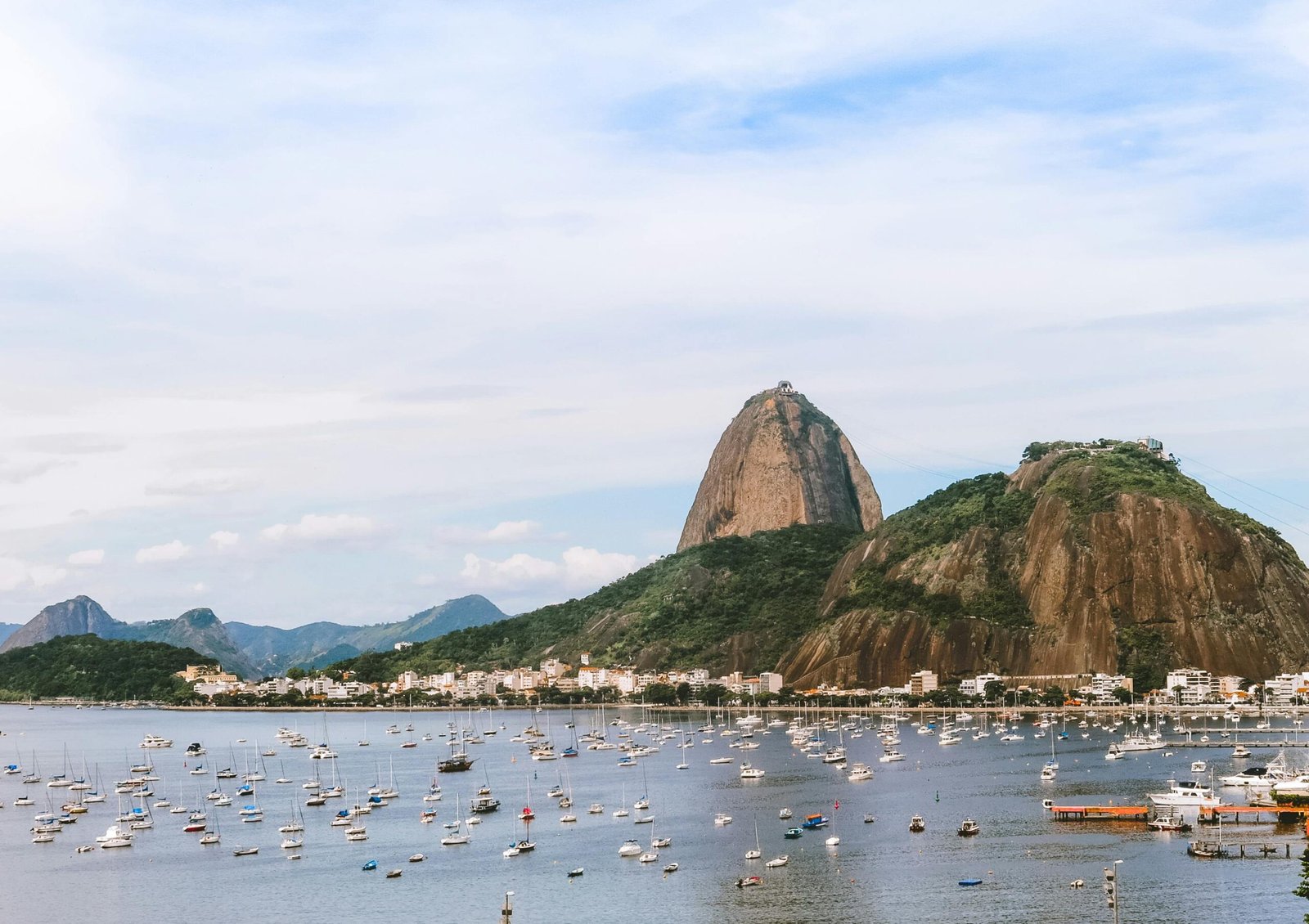
Every adventure in Brazil begins, somehow, with Rio de Janeiro; doesn’t simply welcome you, actually it sweeps you up in its arms and spins you to the sound of samba. The first morning you wake here, you feel the city breathing. Light rises golden over Sugarloaf Mountain, the sea glitters like liquid glass, and you understand instantly why Rio is called Cidade Maravilhosa, the Marvelous City.
Walking along Copacabana Beach, you watch the morning unfold like theatre. Vendors roll carts of coconut water, joggers trace the curve of the shore, and locals pause to play footvolley under the sun. Moreover, the air carries that subtle sweetness of salt, sunscreen, and roasted corn that defines every beach in Brazil.
However, Rio’s magic lies not only in its beauty but in its people. Cariocas, as locals are called, live with an unshakable rhythm — a mix of confidence and kindness, pride and humility. Conversations start easily, smiles come quickly, and you find yourself joining strangers in laughter as if you had known them forever.
In addition, the city’s neighborhoods reveal its layers. In Santa Teresa, cobblestone streets wind past colorful colonial houses covered in graffiti art. Cafés spill out onto balconies overlooking the bay, and every corner seems to hum with creativity. Meanwhile, Ipanema feels refined yet playful — where golden light lingers on bronzed skin and evenings melt into music and caipirinhas by the sea.
At sunset, make your way to Arpoador Rock between Copacabana and Ipanema. Crowds gather to watch the sun dip into the Atlantic, and when it finally disappears, everyone claps. It is not tradition — it is gratitude.
Eventually, as night falls, samba begins to echo from hidden bars in Lapa. Drums, guitars, and laughter fill the air. The rhythm is irresistible. You dance not because you know how but because your body remembers joy. That is Rio: not a place, but a feeling — wild, generous, and alive.
2. Ilha Grande: Where the Jungle Meets the Sea
A few hours south of Rio, the road curves toward Angra dos Reis, where boats wait to ferry travelers to Ilha Grande, an island that feels untouched by time. As you cross the water, the city noise fades into nothing, replaced by the steady sound of waves and wind.
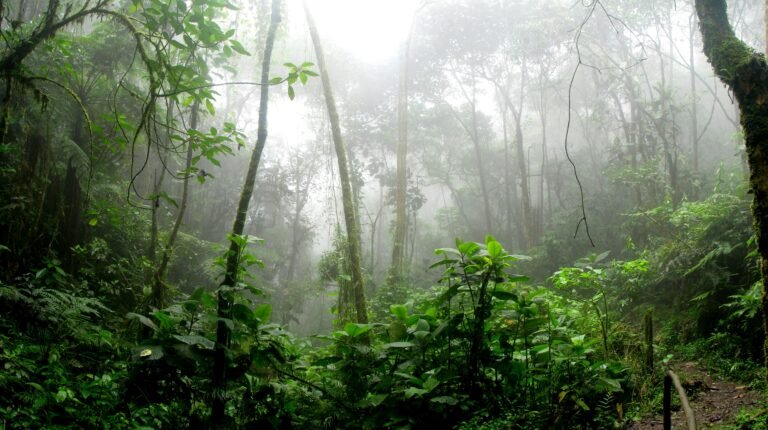
Ilha Grande is the kind of paradise that does not try to impress you. It simply is. No cars, no rush, no neon lights — only sand paths, emerald jungle, and the rhythm of the ocean. Moreover, the island’s main village, Abraão, feels like something from a dream: hammocks swaying outside wooden houses, barefoot children running along the shore, the smell of grilled fish drifting from beach bars.
In fact, what makes Ilha Grande extraordinary is its duality. On one side, you find tranquil coves like Praia da Crena and Praia Preta, perfect for long swims in crystal water. On the other, trails cut through dense forest, leading to waterfalls and remote beaches accessible only by foot or boat.
The hike to Lopes Mendes Beach is legendary. The path winds through lush jungle alive with the sound of birds and the scent of orchids. After about an hour and a half, the trees open suddenly, and you see it — a three-kilometer stretch of white sand framed by turquoise waves and green hills. The water is cool, the air is pure, and everything feels eternal.
Furthermore, evenings on Ilha Grande carry a special kind of silence. As the sun sets behind the mountains, lanterns flicker in restaurants by the sea. Musicians play soft bossa nova, and travelers dine barefoot in the sand. Eventually, the moon rises, and the island feels suspended between worlds — half earth, half dream.
Ilha Grande reminds you that the greatest luxury in travel is time — time to breathe, to listen, to belong to a place without needing to possess it.
3. Paraty: The Colonial Jewel Between Mountains and Sea
Continuing south, the road brings you to Paraty, a UNESCO World Heritage town where cobblestones gleam after the rain and bougainvillea spill from whitewashed walls. Nestled between the mountains of the Serra da Bocaina and the sea, Paraty feels like poetry built from stone and salt.
Moreover, walking through its historic center is like stepping back into the 18th century. The streets, closed to traffic, are lined with art galleries, cafés, and houses painted in bright yellows and blues. Horse-drawn carts pass by slowly, and every door seems to open onto a courtyard filled with music or laughter.
In addition, Paraty’s connection to nature is profound. You can sail through the nearby islands on a wooden schooner, diving into emerald coves like Praia Vermelha or Lagoa Azul. The water feels warm and silky, and from the deck, you can see the mountains fading into mist.
Food here is an art of fusion. Restaurants like Banana da Terra or Punto Divino serve seafood with tropical fruits, paired with cachaça distilled from sugarcane grown nearby. Each meal becomes a slow dance between land and ocean.
Furthermore, Paraty is famous for its cultural festivals. The FLIP Literary Festival, held every summer, transforms the town into a celebration of art and storytelling. Streets fill with poets, musicians, and travelers exchanging ideas under the stars.
Eventually, when the day fades, the sky turns violet, and lamps begin to glow in the narrow streets. You hear distant laughter, the clink of glasses, the hum of bossa nova. It is the kind of evening that stays with you long after you leave.
Paraty teaches you that beauty is not only what you see but how slowly you allow yourself to see it.
4. Búzios: Elegance and Energy by the Sea
If Paraty is poetry, Búzios is pure rhythm — a glamorous yet relaxed beach town that dances between sophistication and spontaneity. Located a few hours northeast of Rio, it became famous when Brigitte Bardot visited in the 1960s, and it has been enchanting travelers ever since.
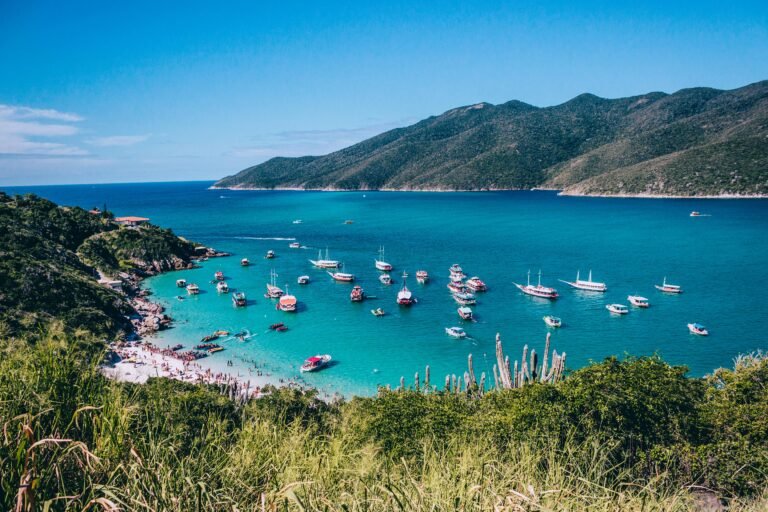
The town curves around a peninsula dotted with over twenty beaches, each with its own character. Praia João Fernandes glitters with luxury yachts and fine dining, while Praia da Ferradurinha offers calm water perfect for paddleboarding. Meanwhile, Praia Brava attracts surfers and sunset lovers with its dramatic waves and open horizon.
Moreover, what makes Búzios unforgettable is its balance. In the mornings, you might snorkel among sea turtles; in the afternoons, stroll along Rua das Pedras, where boutiques display handmade jewelry and art. The evenings belong to the sea breeze and soft laughter echoing from waterfront restaurants.
In addition, the town’s culinary scene reflects its cosmopolitan soul. Brazilian flavors meet Mediterranean finesse in restaurants like Bar do Zé, where grilled fish melts into mango salsa and candlelight dances on the waves.
Eventually, as the night deepens, the streets fill with music — samba, jazz, and soft electronic beats blending into something uniquely Brazilian. You might find yourself barefoot on a beach, dancing with strangers, realizing that joy here feels effortless.
Búzios reminds you that elegance is not about perfection; it is about presence. It is knowing how to live beautifully, with sunlight on your skin and music in your heart.
5. The Coastal Spirit: Freedom, Rhythm, and Return
Driving the coastline between Rio de Janeiro and Paraty, between Ilha Grande and Búzios, you begin to understand that the true magic of Brazil is movement. It lives in transitions — in the moment when day becomes night, when the city fades into jungle, when a stranger becomes a friend.
Moreover, the Brazilian coast teaches a lesson that every traveler eventually learns: happiness is not a destination but a rhythm. You find it in the sway of palm trees, in the laughter spilling from a beach bar, in the way the waves keep coming no matter what.
In addition, every stop along this journey carries a different note of the same song. Rio gives you energy, Ilha Grande gives you silence, Paraty gives you grace, and Búzios gives you joy. Together, they compose a symphony of freedom that echoes long after you return home.
Eventually, you will realize that Brazil is not a place you visit once. It is a feeling you keep returning to, again and again — a heartbeat, a melody, a memory of sunlight that never fades.
When you close your eyes and think of it, you will still hear the sound of the sea, the laughter of strangers, and the whisper of warm wind saying, volte sempre — come back soon.