Mendoza Magic: Vineyards, Andes, and the Taste of Life
In this article you will find…
A journey through Mendoza, the beating heart of Argentina’s wine country, where the air smells of sun-warmed earth and every glass of Malbec carries the memory of mountains and dreams. You will wander through elegant vineyards in Luján de Cuyo and Uco Valley, taste wines made by families who treat their craft as art, and feel the rhythm of life slow to match the sun’s long descent behind the Andes.
However, this is not just about wine. It is about connection — between people and land, between patience and passion, between the senses and the soul. Mendoza teaches that travel is not only about movement; it is about presence, about learning to savor moments the way you savor a perfect sip of wine.
Therefore, as you move through this story, you will discover a region where every flavor, every sound, and every view seems to whisper the same truth: that life, like wine, is meant to be felt slowly.
1. Mendoza City: The Gateway Between Earth and Sky
Your first glimpse of Mendoza is a study in contrasts. The plane descends over a patchwork of green and brown, where endless vineyards meet the golden desert, and beyond them, the Andes rise like ancient guardians, their peaks shimmering white against a sapphire sky. The city itself, neat and tree-lined, feels like an oasis born from human will and water.
Walking through Plaza Independencia, you hear fountains murmuring beneath the shade of tall plane trees. Cafés spill onto sidewalks, the smell of coffee mingling with that of grilled meat. The rhythm of the city is calm yet full of quiet life. You see families strolling, couples sharing a bottle of Torrontés in the afternoon light, and cyclists gliding past as if time itself has slowed down to match the pace of the sun.
Moreover, Mendoza has a soul shaped by both earth and ambition. It was built on irrigation — a network of acequias, small canals that carry meltwater from the Andes through the streets and fields. This ancient system, inherited from Indigenous peoples, still nourishes the land and allows vineyards to thrive where otherwise there would be desert. The gentle gurgle of water follows you everywhere, a reminder that balance here is both natural and human-made.
In addition, the city’s markets overflow with color. At Mercado Central, vendors call out greetings over piles of peaches, walnuts, and cured meats. The scent of fresh bread fills the air, and wine bottles glisten in the morning light. You taste empanadas mendocinas, golden and slightly spicy, still warm from the oven, and realize that flavor in Mendoza begins long before you reach the vineyards.
At night, restaurants like 1884 by Francis Mallmann or Azafrán transform dinner into ceremony. Flames flicker behind open grills, glasses clink softly, and the conversation hums like gentle music. You take your first sip of Malbec — dark, velvety, touched with smoke — and for a moment, the world narrows beautifully to taste and time.
Eventually, as you step outside, the city feels suspended under a sky so vast it seems to lean down and listen. The scent of grapes hangs faintly in the air. You understand that Mendoza is not only a place but an introduction — a promise of what lies beyond.
2. Luján de Cuyo: Where Tradition Meets the Sun
Leaving the city behind, the road winds south through a landscape of vineyards that stretch endlessly toward the horizon. This is Luján de Cuyo, often called the birthplace of Argentina’s finest Malbec. The light here is extraordinary — clear, golden, and constant. Every leaf, every grape seems to shimmer as if lit from within.
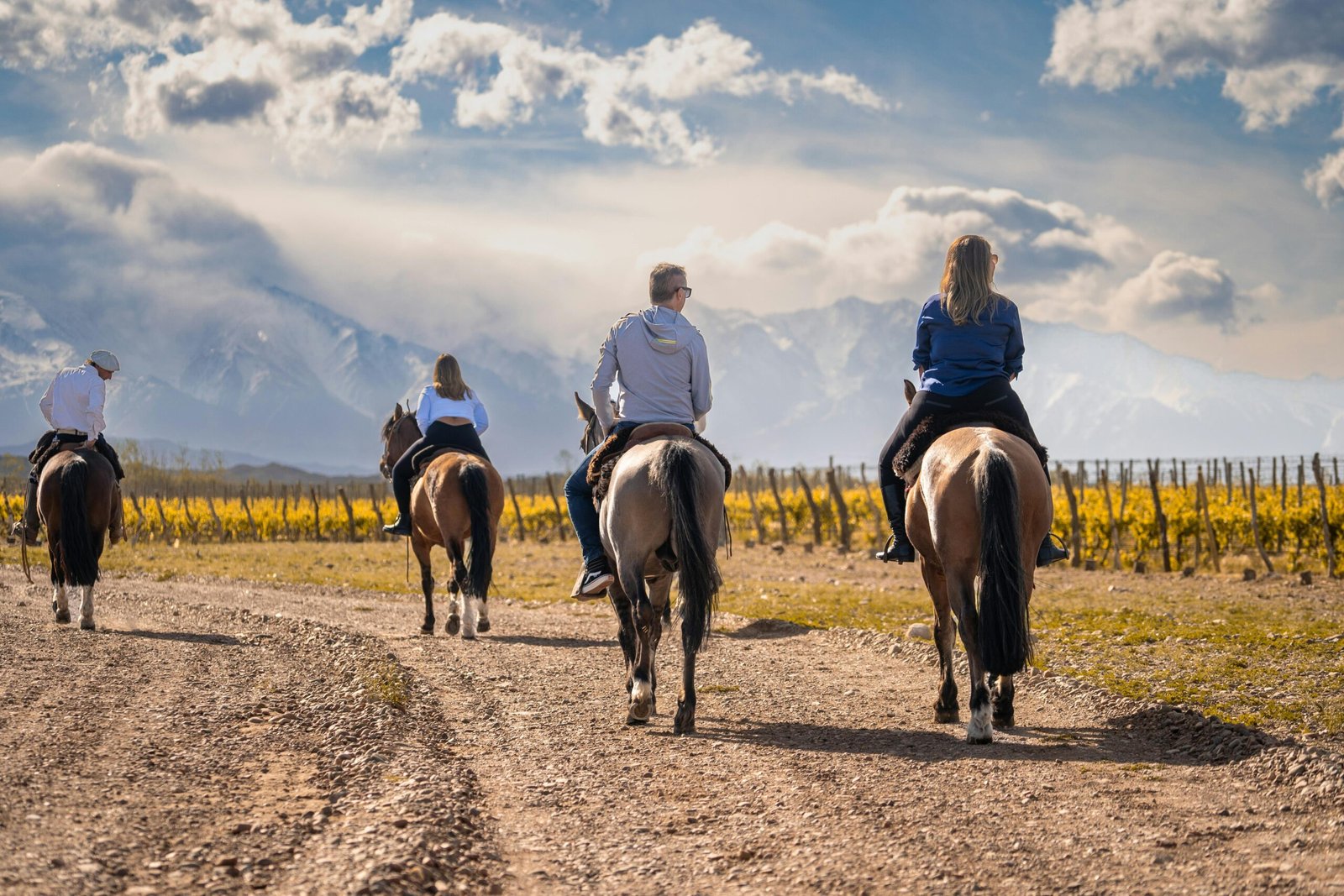
Driving between rows of vines, you feel the rhythm of life change. Farmers move slowly, pruning or harvesting with practiced ease. The Andes rise in the distance, their snowcapped peaks reflecting in irrigation canals like a mirage. The air smells faintly of dust, fruit, and sunlight.
Moreover, the first winery you visit feels like a world unto itself. At Bodega Catena Zapata, the architecture evokes a pre-Columbian pyramid, standing proudly against the mountains. Inside, barrels line cool stone walls, and the air is thick with the scent of oak and time. A guide explains how altitude defines flavor, how each grape carries the essence of the soil it grew in, and how patience — not technology — remains the true secret of winemaking.
In addition, the tasting itself becomes a kind of meditation. You swirl the glass, watching the color deepen in the light. The first sip is warm, almost tactile, unfolding in layers of blackberry, cocoa, and spice. You close your eyes and taste the sun.
Lunch is served in the garden under olive trees. Dishes arrive slowly: local cheese, grilled vegetables, steak perfectly charred, and empanadas filled with beef and cumin. Each bite pairs effortlessly with the wine, and conversation flows in soft Spanish and laughter.
Furthermore, in smaller, family-run wineries like Bodega Carmelo Patti or Matervini, the experience becomes even more intimate. The winemakers themselves greet you, often in worn boots, with stained hands and sparkling eyes. They speak not in marketing language but in stories — of droughts, good harvests, old vines that survived storms. Their humility makes every sip taste more alive.
Eventually, as the day fades and the light turns honey-colored, you stand at the edge of a vineyard watching shadows stretch across the fields. The wind smells faintly of grapes and wild herbs. A sense of calm fills you, the kind that comes only when you realize that the best things grow slowly.
3. Uco Valley: The Poetry of Altitude
Further south, the Uco Valley rises toward the Andes, where vineyards climb as high as a thousand meters above sea level. The journey there feels like moving upward into light. The air grows thinner, the sky bluer, and the silence deeper.
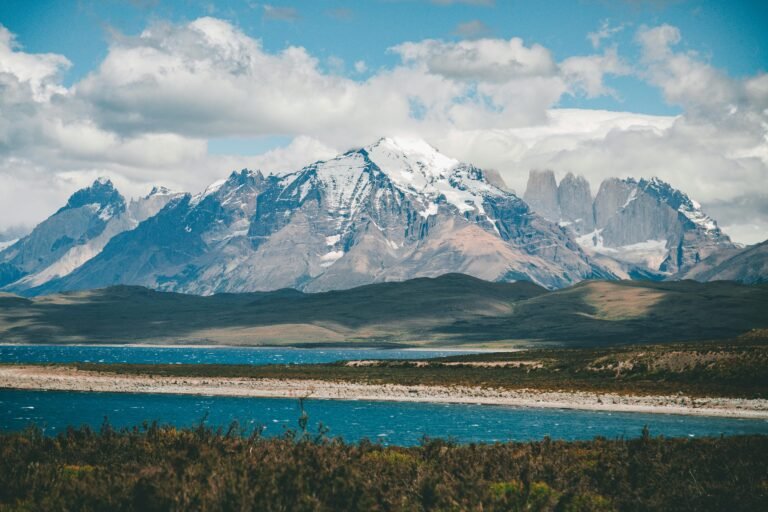
The valley is one of the most beautiful wine regions on earth. Vineyards spread across plains framed by snowcapped peaks, creating a contrast so striking it feels unreal. You stop often, simply to stare. The Andes seem close enough to touch, yet they remain distant and timeless, a reminder that nature always holds the upper hand.
Moreover, the wineries here combine innovation with reverence. At Andeluna, stone buildings open directly toward the mountains, and the tasting room feels like a chapel to sunlight. At Salentein, glass walls reveal rows of vines glowing under a pale sky, and soft music echoes through the cellar, designed to age the wine as gently as possible.
The flavors shift with altitude. The Malbec here is brighter, more aromatic, with notes of plum and violet. White wines like Chardonnay and Sauvignon Blanc sparkle with minerality, crisp and pure. Each sip carries the cool breath of the mountains.
In addition, lunch at Casa de Uco is a sensory masterpiece. You sit beneath a canopy of vines, watching horses graze beyond the fence. Plates arrive like small poems — trout with lemon and herbs, roasted pumpkin with honey, lamb slow-cooked until it falls apart at the touch of a fork. The wine enhances every flavor, weaving warmth and freshness into harmony.
Later, you take a walk through the vineyards, your shoes crunching softly on gravel. The light glows like amber, and the wind moves gently through the leaves. You pick a grape and taste it — sweet, sharp, alive. For a moment, you feel perfectly in tune with the world.
Eventually, as dusk settles, the mountains turn purple, then deep blue. You sit quietly, watching the stars emerge one by one. The first is bright enough to cast a reflection in your glass. You raise it in a silent toast to everything you have seen and everything you have yet to feel.
4. The Andes: A Wall of Light and Silence
Everywhere in Mendoza, the Andes are present — not just as a view but as a constant companion. They stand in the distance, immense and unwavering, shaping the climate, the soil, and even the mindset of the people who live here.
One morning, you decide to drive west toward Aconcagua Provincial Park, home to the highest peak in the Americas. The road winds through barren valleys and red cliffs, following the path of ancient Inca trails. The air smells of dust and pine, and the horizon ripples with heat.
At Puente del Inca, a natural stone bridge shaped by centuries of mineral deposits, steam rises from hot springs colored in shades of orange and gold. The mountains seem to glow from within. You stop for tea with local vendors who sell handwoven scarves and tell stories of climbers who disappeared chasing the summit. Their voices mix with the sound of wind moving across the rocks.
Moreover, standing before Aconcagua, you feel the scale of the Andes in your bones. The mountain rises to nearly seven thousand meters, a presence that dwarfs everything else. The silence here is absolute, yet it feels full — full of echoes, memories, and the pulse of something eternal.
In addition, you notice how the locals speak of the mountains with respect rather than conquest. They are not something to overcome but something to coexist with. This humility shapes the spirit of Mendoza as much as its wine does.
Eventually, as you return to the valley, the sun dips low, painting the peaks pink and gold. You realize that the Andes are not just scenery; they are the heartbeat of this land. Everything here — the vineyards, the rivers, the people — moves in rhythm with their quiet majesty.
5. The Rhythm of Life: Wine, People, and Time
After days spent among vineyards and mountains, you begin to sense the rhythm of Mendoza — a rhythm that values balance over speed, presence over productivity. The people here seem to live guided by the same patience that shapes their wine.
In small villages, old men sit outside shops sipping mate, sharing stories that stretch as slowly as the afternoon light. Women greet you with warmth and curiosity, asking where you come from before insisting you taste something they’ve baked that morning. Every interaction feels personal, sincere, grounded in kindness.
Moreover, the winemakers you meet all speak the same language of care. They talk about pruning vines by hand, watching the moon to decide when to harvest, and allowing the land to dictate rather than control. Their philosophy is simple but profound: good wine, like good living, cannot be rushed.
In addition, Mendoza has begun to embrace sustainable practices, proving that tradition and innovation can coexist beautifully. Solar-powered wineries, organic cultivation, and reforestation efforts are transforming the region into a model for responsible tourism.
Evenings bring the kind of calm that city dwellers forget exists. You sit on a terrace as the air cools, a candle flickering beside you, and the sound of crickets rising in the grass. The wine glows ruby in the light. Conversation slows, then stops altogether, replaced by silence that feels like gratitude.
Eventually, you understand what makes Mendoza magical. It is not just the flavor of its Malbec or the beauty of its mountains, but the way it reminds you to pause. To look. To taste. To exist fully in the moment.
6. The Last Glass: Memory and Return
On your final morning, the vineyards shimmer under the sun. Workers move between the rows, singing softly, their shadows long and graceful against the earth. You walk slowly, your fingers brushing the leaves, feeling the pulse of life in every vine.
Moreover, you realize that this journey has not only been about discovering a region but about rediscovering your senses. The smell of rain on dust, the taste of ripe grapes, the sight of the Andes against the blue sky — all of it has sharpened your awareness, bringing you closer to yourself.
In addition, Mendoza has taught you that pleasure and depth can coexist. That joy can be simple. That beauty, when shared, multiplies. The wine was never the goal; it was the language through which the land spoke to you.
Eventually, as you lift one last glass of Malbec, you think of everything that brought you here: the patience of the vines, the kindness of strangers, the endless generosity of the earth. You take a sip, slow and deliberate, and the flavor lingers — dark fruit, oak, warmth, and something unnameable that feels like home.
The sun begins to set behind the Andes, turning the sky molten gold. You stand quietly, watching the light dissolve into shadow. Travel, you think, is like wine: it deepens with time, and its essence remains long after it ends.
And as the evening breeze rustles through the vines, you whisper softly to the land — gracias.