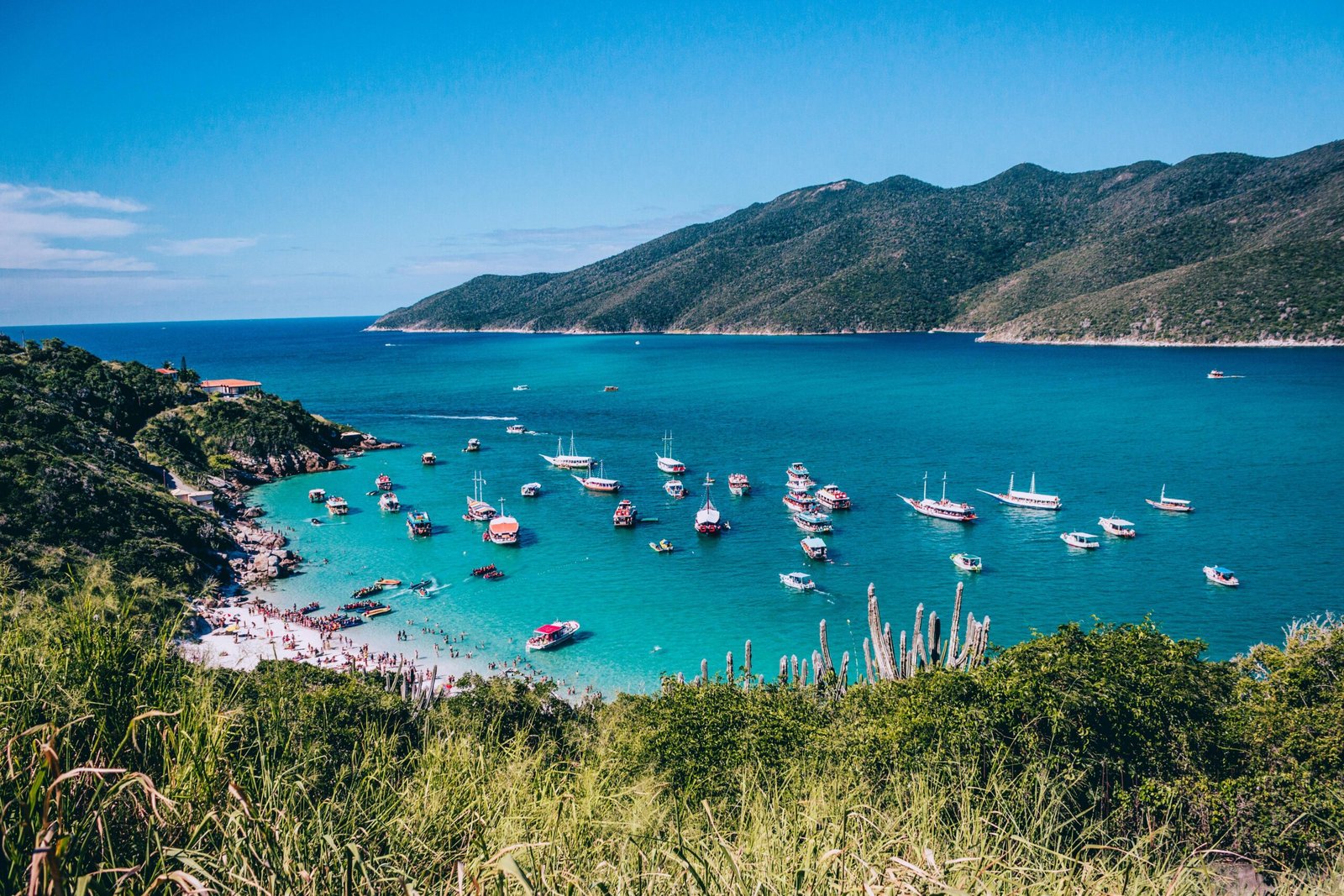
The Hidden Beaches of Northeast Brazil: From Recife to Jericoacoara
In this article you will find…
A slow and luminous journey along Brazil’s Northeast coast, one of the most magical stretches of shoreline on the planet. You will travel from the historic streets of Recife and Olinda to the untamed beauty of Jericoacoara, passing through white dunes, turquoise lagoons, and villages where life still follows the rhythm of the tide.
However, this is not just an itinerary. It is an immersion into a way of being — the Northeast teaches you that time is fluid, that beauty exists in simplicity, and that the ocean always has something to say if you know how to listen.
Therefore, through this journey, you will experience not only beaches but also identity: the deep cultural soul of a region that sings, cooks, and smiles with its whole being.
1. Recife: Where Urban Pulse Meets the Sea
Your adventure begins in Recife, a city that vibrates with history and rhythm. Often called the “Venice of Brazil” because of its canals and bridges, Recife blends colonial charm with modern energy. The air smells of salt and tropical fruit, and everywhere you look, life spills onto the streets — markets, music, and smiles.
Walking through the Recife Antigo district, you find cobblestone streets lined with colorful buildings, open-air art installations, and murals that tell stories of resistance and pride. The city was one of Brazil’s first colonial ports, a meeting point for cultures from Africa, Europe, and Indigenous Brazil, and that mixture still defines its heartbeat today.
Moreover, Recife’s beaches are living postcards. Boa Viagem, the city’s main stretch, runs for miles along turquoise water. In the mornings, locals walk the promenade with cups of coconut water, stopping to chat with friends or watch surfers ride the gentle waves. The water shimmers like glass, reflecting the city’s skyline in gold.
In addition, Recife is a city of music. The rhythms of frevo and maracatu echo from every corner, especially during Carnival, when dancers in bright costumes fill the streets with spinning umbrellas and joy. You do not need to understand the lyrics to feel the emotion. The drums speak directly to the body.
When evening falls, head to a rooftop bar overlooking the ocean. The sky fades into a watercolor of pink and violet while the city lights begin to sparkle below. You sip a caipirinha made with local fruit and realize that Recife is not only about sights but sensations. It is a city that moves you without rushing you, a place where the past and present dance gracefully together.
2. Olinda: The Hilltop City of Colors and Faith
Just a few kilometers north lies Olinda, a UNESCO World Heritage town and one of Brazil’s best-preserved colonial gems. The name itself means “Oh, beautiful,” and from the moment you arrive, you understand why. Brightly painted houses climb up green hills, churches gleam with gold, and the scent of sea breeze mingles with incense from open chapels.
Moreover, Olinda feels like a dream suspended in time. Its cobbled streets are steep and winding, leading to small squares shaded by mango trees. Artists sit in doorways painting, while children play marbles beside them. Everything unfolds at a pace that feels ancient, almost sacred.
At the top of the hill, the Church of São Salvador do Mundo, also known as the Sé Cathedral, offers a breathtaking view of the Atlantic. From here, the city of Recife stretches in the distance, its modern skyline shimmering behind the colonial rooftops of Olinda. The contrast feels like a metaphor for Brazil itself — rooted in history yet always reinventing.
In addition, Olinda is a city of festivals and faith. During Carnival, giant papier-mâché puppets called bonecos parade through the narrow streets to the sound of drums and laughter. The celebration is wild, spiritual, and utterly human.
At night, restaurants like Oficina do Sabor serve dishes that capture the essence of the region: grilled fish with passionfruit sauce, shrimp moqueca fragrant with coconut milk, and frozen caipirinhas made with cashew fruit. The flavors are bold yet balanced, like the city itself.
Eventually, as you walk back to your guesthouse, the town glows under the moonlight. Church bells ring in the distance, and the ocean murmurs below. Olinda feels eternal, a place where every stone holds a story and every smile holds welcome.
3. Fortaleza: Energy, Sunlight, and Endless Shores
Traveling westward along the coast, you arrive in Fortaleza, the vibrant capital of Ceará state. The landscape changes gradually — the coastline opens wide, and the beaches stretch farther than the eye can see. Fortaleza is a city of sunlight and motion, full of color and charisma.
The Praia de Iracema is the city’s social heart. During the day, locals swim and play volleyball under the relentless sun. At night, the promenade transforms into a stage for life itself. Street vendors sell grilled cheese and cold beer, musicians play softly, and couples dance barefoot in the sand. The energy feels endless.
Moreover, the city’s markets offer a taste of its exuberance. At Mercado Central, hundreds of stalls overflow with lacework, hammocks, leather sandals, and local sweets made with coconut and sugarcane. The scent of caramel and sea breeze fills the air, and you cannot help but smile as vendors insist that you try everything.
In addition, Fortaleza serves as a gateway to some of the Northeast’s most breathtaking beaches. Just outside the city lies Cumbuco, a paradise for kitesurfers where dunes meet turquoise lagoons. You can ride a buggy across the sand at full speed, the wind rushing through your hair, then cool off in the calm freshwater pools that appear like hidden oases.
Further along, Lagoinha Beach offers peace and poetry. The cliffs here glow red against the blue sea, and fishermen still sail in wooden boats called jangadas, unchanged for generations. Watching them move silently across the water feels like watching time itself drift.
Eventually, as the sun sets, the horizon burns with gold, and the first stars appear. You realize that Fortaleza is not only about energy but also about balance — the balance between laughter and stillness, between city pulse and ocean breath.
4. Jericoacoara: Where the Wind Teaches You to Rest
Further north, after hours of driving through small villages and palm-lined roads, the pavement disappears. Sand replaces asphalt, and your vehicle begins to glide through dunes that stretch endlessly toward the horizon. This is the path to Jericoacoara, or simply “Jeri,” a place that feels more imagined than real.
When you arrive, you understand why travelers speak of it with reverence. The village is nestled between shifting sand dunes and turquoise lagoons, accessible only by sandy tracks. There are no paved streets, no noise of engines, only the whisper of wind and the sound of laughter.
Moreover, Jeri’s main beach is a masterpiece of tranquility. During the day, the sea glows green and blue under a sky so bright it almost hurts to look at. Kite surfers carve graceful arcs through the air, and children chase crabs along the shore. Everything feels effortless.
One of the most magical moments in Jeri happens each evening at the Sunset Dune, known as Duna do Pôr do Sol. Locals and travelers climb the hill in silence, carrying drinks or simply barefoot. The sun lowers slowly over the Atlantic, and as it disappears, everyone claps softly. It is not a performance but a ritual, a collective thank you.
In addition, the nearby Lagoa do Paraíso is another paradise within paradise. Its water shines in shades of jade and sapphire, and hammocks hang directly in the shallows. You can spend hours there floating between sky and water, listening to nothing but the sound of your own heartbeat.
Food in Jericoacoara reflects its natural abundance. Small restaurants serve grilled lobster with butter and lime, tapioca crepes filled with banana and chocolate, and fresh juices made from every fruit imaginable. You eat slowly, not because you must but because there is nothing else to rush toward.
Eventually, as the night deepens, stars spill across the sky in numbers you forgot existed. Music drifts from the bars, and the laughter of travelers blends with the rhythm of waves. Jeri is the kind of place that teaches you to exist in the present — fully, gently, gratefully.
5. Hidden Beaches Between the Known Names
While Recife, Fortaleza, and Jericoacoara attract most travelers, the true soul of the Northeast hides in the smaller, lesser-known beaches that stretch between them. These places do not appear in glossy brochures, yet they hold the quiet magic that defines Brazil’s coast.
South of Recife lies Carneiros Beach, where coconut palms bend over water so clear it reflects the sky. A tiny white chapel sits on the sand, and boats drift lazily in the shallow sea. Moreover, the tide pools at low tide become natural aquariums filled with colorful fish.
Further north, between Fortaleza and Jericoacoara, lies Mundaú, a fishing village surrounded by dunes and lagoons. Here, you can sail on a wooden boat as the sun sets over the mangroves, the water turning liquid gold. Children wave from the shore, and for a moment, the world feels weightless.
In addition, Canoa Quebrada, with its red cliffs and crescent moon symbol carved into the rocks, offers a bohemian energy. The streets are lined with bars and hammocks, and at night, reggae music flows from every corner. Yet even here, away from the crowd, you can walk a few kilometers and find silence — just the sea, the wind, and your own thoughts.
These hidden beaches remind you that beauty often hides between destinations, in places that do not demand attention but reward curiosity.
6. The Spirit of the Northeast: Light, Rhythm, and Simplicity
As your journey along the coast comes to an end, you begin to see the Northeast not as a collection of places but as a single living rhythm. The light feels different here — warmer, more forgiving. The people greet you with eyes that smile first and mouths that follow. Everything invites you to slow down.
Moreover, you realize that the beauty of this region is not only physical. It lives in the way people cook, speak, and celebrate. Every small gesture carries grace. The fisherman who offers you a mango from his boat, the woman who teaches you to dance forró in a beach bar, the child who runs beside your car waving as if you were family — these are the moments that define the journey.
In addition, the Northeast teaches you humility. The dunes remind you that everything shifts, the tides remind you that everything returns, and the sun reminds you that endings can also be beginnings.
Eventually, as you sit by the ocean one last time, the world slows to a whisper. The horizon glows with the last light of day, and you feel completely still. You have seen beauty in abundance, yet what lingers most is not the view but the feeling — a deep, quiet gratitude.
When you leave, you carry the Northeast inside you. Its rhythm becomes your heartbeat, its light becomes your compass, and its simplicity becomes your measure of happiness.