Patagonia Soul: A Journey Through Glaciers, Silence, and Infinity
In this article you will find…
A journey to the edge of the world, where mountains pierce the clouds and the wind carries stories older than memory. You will travel through Patagonia Argentina, exploring the vast plains, the blue fire of the glaciers, and the quiet villages that exist between sky and earth.
However, this is not only a travel guide. It is an invitation to listen — to the silence of ice breaking, to the cry of condors above the cliffs, and to the whisper of your own thoughts when everything else fades away.
Therefore, through this article, you will follow a route that connects El Calafate, Perito Moreno, and El Chaltén, discovering that Patagonia is not only a destination but a state of mind — a place that expands you until you feel infinite.
1. El Calafate: The Doorway to the Ice Kingdom
Your journey begins in El Calafate, a small town on the southern shore of Lago Argentino. As the plane descends, you see nothing but a vast emptiness of beige and blue, where the steppe stretches endlessly and the horizon looks like the curve of the planet itself.
El Calafate feels like a frontier town — windswept, quiet, and full of travelers preparing for adventure. The streets are lined with wooden lodges, bakeries smelling of dulce de leche, and outdoor shops selling gear for the cold. Yet there is a warmth here, a sense of anticipation that seems to hum beneath everything.
Moreover, the town’s name comes from a small bush that bears dark berries said to bring good luck to those who eat them. Locals like to say that if you taste the calafate fruit, you will always return to Patagonia. You smile at the legend, but somewhere deep down, you already know it’s true.
In addition, the landscape around El Calafate is surreal. The wind sculpts the grass into waves, guanacos graze lazily on the hills, and the light changes constantly — one moment silver, the next golden, the next the color of fire. Every hour feels like a different season.
Evenings in town are simple and perfect. You walk to a small restaurant like La Tablita or Pura Vida, where locals gather to share stories over wine and lamb stew. Outside, the wind howls, but inside there is laughter, warmth, and the comfort of a place that exists on the edge of the world.
Eventually, as you fall asleep, you hear the wind singing through the cracks of the wooden walls. It is not a lullaby but a promise — tomorrow, you will meet the ice.
2. Perito Moreno Glacier: The Living Ice
The next morning, the road curves through a landscape that feels untouched by time. Low hills rise and fall, covered in golden grass, and in the distance, the Andes appear like a mirage of white and blue. After an hour’s drive, you reach the edge of Los Glaciares National Park, and there it is — the Perito Moreno Glacier.
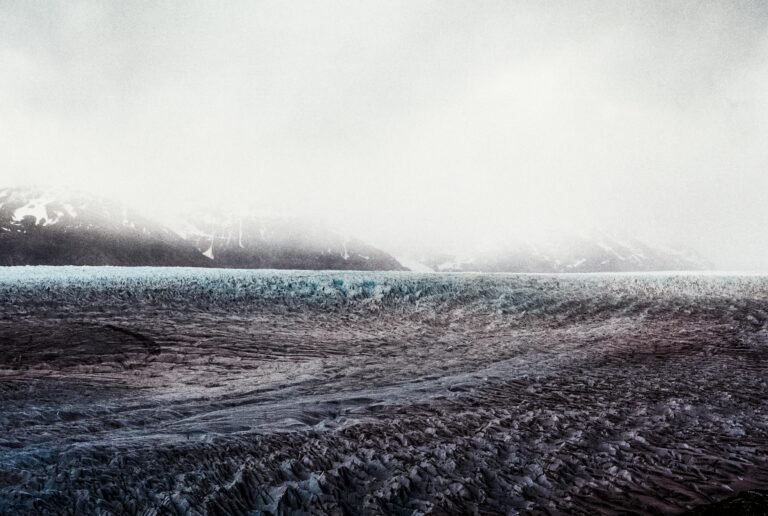
Nothing can prepare you for this sight. A wall of ice stretches before you, seventy meters high and five kilometers wide, glowing with shades of turquoise and cobalt. The sound is the first thing you notice — a low groan, a crack, and then the thunder of ice collapsing into the lake below. It feels alive, breathing and shifting like a creature made of time.
You walk along the wooden walkways that trace the glacier’s edge. Every viewpoint offers a new perspective: a deep crevasse glowing electric blue, a floating chunk of ice the size of a house, a rainbow forming in the mist.
Moreover, the Perito Moreno is one of the few glaciers in the world that is still advancing rather than retreating. It moves about two meters a day, pushing forward with a slow but unstoppable force. Watching it, you begin to understand what patience looks like in nature.
If you want to experience the glacier more intimately, you can join a mini-trekking tour that takes you directly onto the ice. The guides equip you with crampons, and you walk carefully across the frozen surface. Under your feet, the ice sparkles like glass, and small rivers of meltwater run between ridges.
In addition, when you stop to rest, the guide hands you a glass of whisky cooled with ice from the glacier itself. You sip slowly, laughing with the others, aware that this is one of those moments that will never fade from memory.
Eventually, as the sun lowers and the light softens, you hear another loud crack. A massive slab of ice breaks free, crashing into the water below. Everyone falls silent, and for a heartbeat, the world feels suspended between sound and stillness. Then the echo fades, leaving only wind and wonder.
3. The Road to El Chaltén: A Journey Through Silence
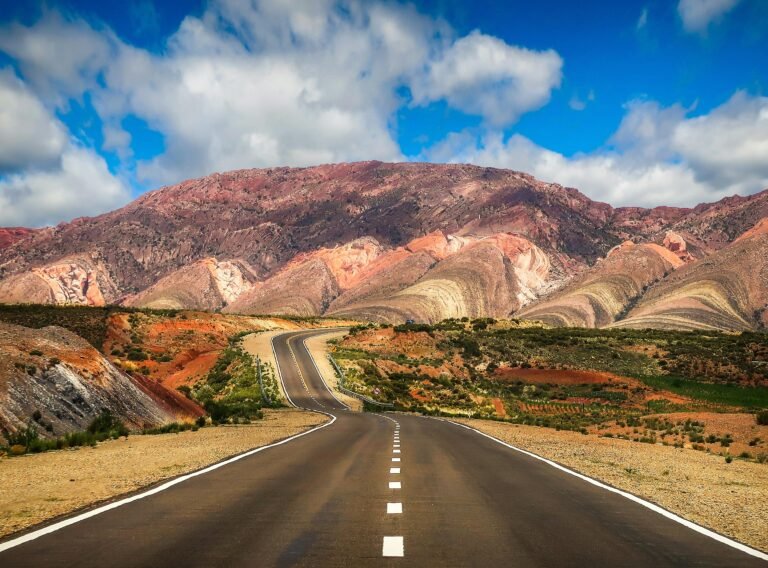
Next leg of your journey follows Ruta 40, one of the most legendary highways in the world, while road stretches like a ribbon across the desert, flanked by mountains that shimmer on the horizon.
Driving toward El Chaltén, the so-called trekking capital of Argentina, feels almost meditative. The landscape changes slowly, revealing turquoise lakes, dry valleys, and skies so wide they seem to pull you upward. There are long stretches where you see no other car, no house, no sign of life — only the endless dialogue between land and sky.
Moreover, you begin to notice how silence here is not empty but full. It hums softly, carrying the memory of ancient winds. Occasionally, a condor appears, circling high above, its wings casting shadows across the plains.
After several hours, you stop at La Leona, a historic outpost halfway between El Calafate and El Chaltén. The café sits beside a river, surrounded by nothing but space. Inside, the wooden walls are covered with old photographs of explorers, and the smell of coffee mixes with dust and history.
In addition, you learn that the building once hosted Butch Cassidy and the Sundance Kid during their escape across Patagonia. The story seems unbelievable, yet somehow it fits the landscape — wild, mysterious, and eternal.
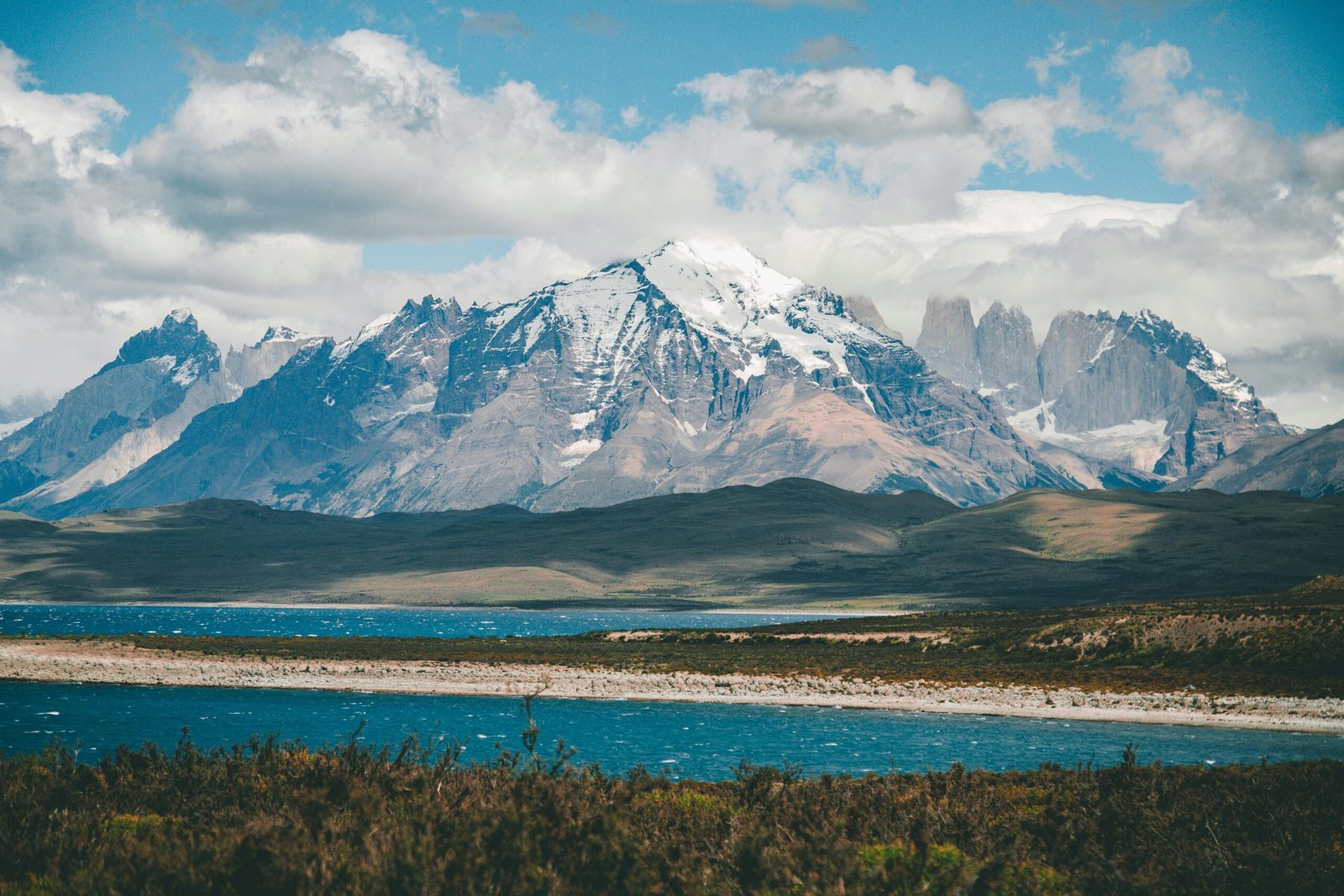
Eventually, as you approach El Chaltén, the Fitz Roy massif appears in the distance, its jagged peaks catching the last light of the day. You stop the car, step outside, and feel the wind hit your face. The mountains glow pink and gold against the fading sky, and you realize you have arrived at a place that does not belong to time.
4. El Chaltén: Where Mountains Touch the Soul
El Chaltén is a village born for dreamers. Nestled beneath the towering peaks of Cerro Fitz Roy and Cerro Torre, it feels more like a camp for adventurers than a town. Wooden cabins line dirt streets, and the air buzzes with excitement as hikers prepare for the trails.
In the morning, you start your hike toward Laguna Capri, a serene lake that reflects Fitz Roy’s spires like a mirror. The trail winds through forests of lenga trees, their leaves rustling softly in the wind. The climb is steady, and with each turn, the view grows wider until suddenly, the mountain appears in full — sharp, luminous, and impossibly high.
Moreover, Patagonia teaches you presence. The path is long, and your steps slow naturally. You stop often, not out of fatigue but to breathe, to listen, to feel. The sound of water trickling from melting snow, the scent of pine and earth, the distant call of a hawk — everything feels magnified.
In addition, the people you meet on the trail seem changed by the landscape. There is an unspoken camaraderie among travelers here. You exchange nods, smiles, or a simple buen camino. Words are unnecessary because you are all part of the same rhythm.
By midday, you reach the lake. The reflection is so perfect it feels unreal. You sit on a rock, remove your boots, and dip your feet into the icy water. It bites sharply, then soothes. You eat an orange, stare at the mountain, and feel something inside you settle.
Later, if you have more energy, you can continue to Laguna de los Tres, the most famous viewpoint in Patagonia. The final ascent is steep and demanding, but when you reach the top, the reward is beyond words. Fitz Roy rises directly before you, its peak glowing in the sunlight, its base mirrored in a turquoise lagoon.
Eventually, as you descend, you feel lighter. The mountain does not belong to you, but somehow, you belong to it.
5. Glaciers, Lakes, and the Whisper of Wind
Beyond the famous hikes, Patagonia holds endless smaller treasures. Every bend in the road seems to reveal another secret — a hidden lagoon, a field of wildflowers, a herd of guanacos grazing under the open sky.
One morning, you drive toward Lago del Desierto, a long, narrow lake framed by snowcapped peaks and dense forest. The road is rough and winding, crossing small bridges and streams, and every turn offers a new postcard view.
Moreover, at the lake, you can take a short boat ride across the turquoise water. The silence is profound, broken only by the splash of the oars. On the far side, trails lead to small waterfalls and lookout points where you can see glaciers hanging like curtains from the mountains above.
In addition, you begin to understand that in Patagonia, beauty is not rare — it is constant. The challenge is not to find it but to absorb it without being overwhelmed.
In the afternoons, the wind picks up, and the entire landscape seems to move. Grass waves like water, clouds race across the sky, and even the lakes ripple with energy. The sound of it all — soft, endless, and alive — becomes the voice of Patagonia itself.
Eventually, as evening falls, you return to El Chaltén. The streets glow with the light of small cafés, hikers gather around tables, and conversations mix in Spanish, English, and laughter. Someone plays a guitar, and the melody drifts into the cold air. You sip red wine, feeling both full and free.
6. Lessons from the End of the World
On your final day, you wake early to watch the sunrise over the mountains. The air is crisp, your breath visible, and the first light spills slowly across the peaks. For a moment, everything is perfectly still.
Moreover, you realize that Patagonia is not about adventure or photography, though it offers both in abundance. It is about silence — the kind that allows you to hear your own heartbeat.
In addition, you think about what this land has taught you. That strength can be quiet, that beauty can be wild, and that time can expand when you stop measuring it. The mountains, glaciers, and winds do not rush; they simply exist, and in doing so, they invite you to do the same.
Eventually, as you leave, the landscape fades behind you, but the feeling remains. The rhythm of Patagonia has entered your body — steady, vast, and pure.
When the plane lifts off from El Calafate, you look down at the endless plains below. The sun catches the edge of the glaciers, turning them silver. You smile softly, remembering the legend of the calafate berry. Yes, you think, you will return.