The Ultimate Road Trip Across Canada: From Halifax to Vancouver
Introduction: The Adventure of a Lifetime
Imagine the open road stretching endlessly ahead of you — pine forests, golden prairies, mighty mountains, and coastal horizons blending into one breathtaking journey. A cross-Canada road trip from Halifax to Vancouver is not just a drive; it’s an odyssey through one of the world’s most diverse and beautiful countries. From Atlantic charm to Pacific energy, every kilometer tells a different story.
This trip is the dream of countless travelers. Whether you’re a digital nomad chasing new experiences, a photographer in search of perfect landscapes, or simply a curious soul craving adventure, this route has something for everyone. You’ll cruise through fishing villages where time stands still, roll past vast lakes and wheat fields under endless skies, and climb mountain passes where snow still caps the peaks in midsummer.
Driving from Halifax to Vancouver covers over 6,000 kilometers of pure discovery — a chance to see how Canada’s geography, cultures, and communities shift as you move across six time zones. Each province offers a unique slice of life, from Nova Scotia’s seafood shacks to British Columbia’s hip coffee shops.
But this isn’t just about destinations — it’s about the journey itself. The people you’ll meet, the stories you’ll collect, and the quiet moments watching the sunset from the side of the Trans-Canada Highway will stay with you forever. So buckle up, grab a playlist that makes your heart race, and get ready to cross a country built for dreamers and road trippers.
Outline – “The Ultimate Road Trip Across Canada: From Halifax to Vancouver”
- Introduction: The Adventure of a Lifetime
- Why a Cross-Canada Road Trip Belongs on Every Traveler’s Bucket List
- Planning Your Route: Understanding the Trans-Canada Highway
- Best Time of Year to Drive Across Canada
- Essential Road Trip Prep: Car, Budget & Documents
- Starting Point: Discovering Halifax, Nova Scotia
- Halifax Waterfront & Local Cuisine
- Day Trips Around Halifax
- Through the Maritimes: Nova Scotia, New Brunswick & Prince Edward Island
- Coastal Drives and Hidden Fishing Villages
- Quebec Adventures: History, Culture & French Charm
- Quebec City & Montreal Highlights
- Ontario: Lakes, Cities & Natural Wonders
- Toronto, Ottawa & Niagara Falls
- Prairie Provinces: Manitoba & Saskatchewan’s Vast Beauty
- Unexpected Stops Along the Way
- Alberta: From Calgary to the Canadian Rockies
- Banff & Jasper National Parks
- British Columbia: The Final Stretch to Vancouver
- Exploring Vancouver Island & Coastal Magic
- Where to Stay: Best Accommodations Across Canada
- Top Tips for a Successful Cross-Canada Road Trip
- Conclusion: The Road that Defines a Nation
Why a Cross-Canada Road Trip Belongs on Every Traveler’s Bucket List
You can travel the world and still find something new in Canada every day. There’s a reason this road trip often appears on global “bucket list” rankings — it’s an adventure that combines wild nature, rich culture, and true freedom.
Driving across Canada means more than checking off landmarks. It’s about experiencing scale — understanding what it feels like to move through thousands of kilometers of open landscapes, where every bend in the road feels like a chapter in a story. From maritime cliffs that smell of salt to prairie highways where your shadow stretches for miles, this trip awakens a sense of wonder that’s easy to lose in our fast-paced world.
It’s also one of the safest and most traveler-friendly countries for long drives. Roads are well-maintained, rest stops are frequent, and Canadians are famously kind to strangers. You can camp under a billion stars, stay in quirky motels, or find charming bed-and-breakfasts that feel like home.
For adventure seekers, photographers, and culture lovers alike, a cross-Canada road trip is the ultimate immersion into the country’s identity. It’s where modern cities meet ancient lands, where Indigenous heritage and immigrant cultures blend into a vibrant mosaic.
And unlike many famous road trips around the world, this one has endless variety — you’ll go from sea to sky, from French-speaking towns to cowboy country, from modern skylines to silent wilderness. Every day feels like entering a new world, yet it’s all one nation.
If you’re chasing the essence of freedom — the kind that comes with wind in your hair and no rush to be anywhere — this journey will redefine what travel means to you.
Planning Your Route: Understanding the Trans-Canada Highway
Before you rev your engine, you’ll need a plan. The backbone of your trip will be the Trans-Canada Highway, the world’s second-longest national highway system, stretching from St. John’s, Newfoundland, all the way to Victoria, British Columbia. For this journey, you’ll join it in Halifax, Nova Scotia, and follow it westward until you reach Vancouver.
The Trans-Canada isn’t a single road but a network of routes that thread through different provinces. While the main route is around 7,800 kilometers long, there are countless scenic detours and side adventures you can take along the way.
Here’s a basic breakdown of what you’ll encounter:
- Nova Scotia to New Brunswick (500 km): Coastal drives, lighthouses, and ocean views.
- New Brunswick to Quebec (800 km): Small towns and dramatic riverside scenery.
- Quebec to Ontario (1,000 km): Bilingual cities, history, and culture galore.
- Ontario to Manitoba (1,400 km): Lakes, forests, and the endless sky of the prairies.
- Manitoba to Alberta (1,300 km): Rolling wheat fields and quiet beauty.
- Alberta to British Columbia (1,000 km): The Rockies — nature’s grand finale before reaching the coast.
While it’s possible to drive the route in under two weeks, most travelers take three to six weeks to fully enjoy it. The key is balance — plan your must-see spots but leave room for spontaneity. Some of the best moments happen when you take a wrong turn and end up somewhere magical.
Make sure your GPS or offline maps are ready, but also trust the old-fashioned way — ask locals for tips. Canadians love to share their favorite backroads, cafes, and viewpoints. You’ll often find that the detours become the heart of your story.
Best Time of Year to Drive Across Canada
Timing is everything when it comes to a cross-country road trip. While Canada’s vast landscapes look stunning year-round, the season you choose will completely change your experience. The best time to drive from Halifax to Vancouver depends on what kind of traveler you are — but for most, late spring through early fall (May to October) is ideal.
In spring, the Maritimes burst with color as wildflowers bloom and coastal towns come back to life. Temperatures rise to a comfortable range, and there’s still a sense of quiet before the summer crowds. By the time you reach the Prairies, golden fields start to shimmer, and the Rockies still wear traces of snow — it’s a photographer’s dream.
Summer is prime time for road trips. Days are long, the weather is warm, and national parks are in full swing. You can swim in Ontario’s lakes, camp in the Rockies, and enjoy vibrant festivals in every city. The downside? Popular spots like Banff or Niagara Falls can get crowded. To avoid the rush, start your driving days early and aim to arrive at destinations in the afternoon.
Autumn is a hidden gem season. Imagine cruising through Quebec’s countryside as maple leaves ignite in red and gold, or gliding past Ontario’s forests mirrored in calm lakes. Cooler weather makes driving comfortable, and accommodation prices start to drop.
Winter, on the other hand, transforms Canada into a wonderland — but it’s only for the brave. Icy roads, snowstorms, and reduced daylight make cross-country travel more challenging. However, if you’re experienced and properly equipped, winter landscapes offer surreal beauty — frozen waterfalls, snow-covered mountains, and cozy cabins that make you want to stay forever.
No matter when you go, check regional weather updates. Conditions can shift fast, especially in mountain regions. And remember: Canada’s scale means you’ll likely experience different climates in one trip. Pack layers, bring rain gear, and always have a warm jacket on hand — even in summer nights out west.
Essential Road Trip Prep: Car, Budget & Documents
A journey of this size deserves some serious prep. Before setting off from Halifax, take the time to make sure your car — and your plan — are road-ready.
Your vehicle: Whether you’re renting or using your own, reliability is everything. Choose a vehicle that’s fuel-efficient but spacious enough for comfort. A small SUV or camper van is ideal — it handles diverse terrains and gives you flexibility for camping or long stretches between towns. Check your tires, oil, brakes, and lights. Carry a spare tire, first aid kit, and emergency supplies (snacks, flashlight, water, jumper cables).
Budgeting: Costs will vary depending on your travel style, but here’s a rough guide:
| Category | Estimated Cost (CAD) | Notes |
|---|---|---|
| Gas | 1,200–1,800 | Depends on distance & car type |
| Accommodation | 2,000–3,000 | Mix of camping, motels, Airbnb |
| Food | 800–1,200 | Save by cooking or picnicking |
| Activities | 500–1,000 | National park passes, tours |
| Total | 4,500–7,000+ | For 3–5 weeks of travel |
Documents:
- Valid driver’s license (International Driver’s Permit if applicable)
- Car registration & insurance
- Travel insurance (medical + vehicle coverage)
- National Park Discovery Pass (worth it if you’ll visit 3+ parks)
Tech gear: Bring a good phone mount, power banks, and offline maps (Google Maps offline or Maps.me). Cell coverage can drop in rural areas, especially in northern sections or mountain passes.
Safety tips:
- Don’t drive more than 6–8 hours a day — fatigue is a real danger on long, empty roads.
- Keep an eye on fuel; gas stations can be far apart in the Prairies or northern BC.
- Always have snacks, water, and blankets in your car.
Being prepared doesn’t just make the trip safer — it makes it stress-free, allowing you to focus on the joy of discovery instead of logistics.
Starting Point: Discovering Halifax, Nova Scotia
Your epic adventure begins in Halifax, one of the most charming and historically rich cities in Eastern Canada. Sitting on the Atlantic coast, Halifax is where seafaring culture meets modern urban energy.
Start your day at the Halifax Waterfront Boardwalk, one of the longest downtown boardwalks in the world. You’ll find vibrant pubs, boutique shops, and street performers giving the city a contagious energy. Grab a local favorite — a lobster roll or a bowl of seafood chowder — from one of the waterfront markets.
Dive into history at the Maritime Museum of the Atlantic, where you can learn about the Titanic’s connection to Halifax and Canada’s seafaring legacy. Then, head uphill to the Halifax Citadel National Historic Site, a star-shaped fortress overlooking the harbor — the view is unbeatable, especially at sunset.
If you have time, explore Peggy’s Cove, just a short drive away. Its iconic lighthouse perched on rugged granite rocks is one of the most photographed spots in Canada. The village itself feels like a painting — fishermen’s houses, salty air, and the rhythmic sound of waves against the coast.
Halifax also makes a perfect base for day trips. You could visit Lunenburg, a UNESCO World Heritage site known for its colorful waterfront and shipbuilding history, or drive along the Cabot Trail in Cape Breton Island, often called one of the most beautiful coastal drives in the world.
Before hitting the road west, take a night to enjoy Halifax’s nightlife — craft breweries, live music bars, and the welcoming spirit of locals who’ll treat you like a friend within minutes. It’s the perfect send-off for your coast-to-coast journey.
Through the Maritimes: Nova Scotia, New Brunswick & Prince Edward Island
Leaving Halifax behind, your wheels will soon hum along the winding coastal roads of the Maritimes — a region that feels like a storybook filled with lighthouses, cliffs, and fishing villages. This is where the rhythm of your road trip truly begins. The pace is slower here; life moves with the tides, and you’ll find yourself breathing deeper, smiling more, and falling in love with small-town Canada.
Your first major stretch leads through Nova Scotia’s South Shore — a road dotted with postcard-perfect stops like Mahone Bay, where colorful boats bob in the harbor, and Lunenburg, whose wooden architecture and vibrant streets capture the soul of the East Coast. Don’t rush. Stop for fresh fish and chips from a roadside shack or join locals for an evening ceilidh (traditional Gaelic music gathering).
Continue northwest toward Fundy National Park in New Brunswick, home to the highest tides in the world. Twice a day, the Bay of Fundy’s waters rise and fall dramatically — sometimes by over 15 meters! Walk on the ocean floor at Hopewell Rocks when the tide is low, and just hours later, kayak over the same spot when it returns. It’s one of Canada’s most surreal natural experiences.
From there, consider taking a detour to Prince Edward Island (PEI) via the Confederation Bridge. The 12.9 km span connects New Brunswick to this tiny island of red-sand beaches, green fields, and literary charm — it’s the birthplace of Anne of Green Gables. Drive around the island’s scenic north shore, visit local farms, and try PEI mussels or potato fries — both local specialties.
If you’re traveling in late summer, the countryside turns golden, and roadside farm stands overflow with fresh produce. Each small town welcomes you with open arms — this part of Canada still has that sense of friendliness and simplicity that’s hard to find elsewhere.
As you leave the Maritimes behind, you’ll notice the landscape changing — forests growing denser, rivers widening, and French road signs appearing more frequently. You’re about to enter one of the most distinctive regions of the journey: Quebec.
Quebec Adventures: History, Culture & French Charm
Crossing into Quebec feels like crossing into another country. The language, architecture, and rhythm of life shift instantly — suddenly you’re surrounded by cafés serving croissants, centuries-old stone streets, and that unmistakable French-Canadian joie de vivre.
Start your exploration in Quebec City, a UNESCO World Heritage site that looks straight out of Europe. Wander through Old Quebec (Vieux-Québec), where cobblestone streets wind past 17th-century buildings and street musicians play violins under the shadow of Château Frontenac, one of the most photographed hotels in the world. Stop for poutine — that glorious mix of fries, cheese curds, and gravy — or a maple syrup dessert at a cozy bistro.
If you’re visiting in summer, don’t miss the Festival d’été de Québec, a massive outdoor music event that fills the city with sound and color.
Continue west to Montreal, Canada’s cultural heartbeat. The city is an intoxicating blend of old and new — Gothic churches and sleek skyscrapers, French bakeries and indie coffee shops, street art and jazz bars. Spend an evening in the Plateau neighborhood, filled with murals and hip eateries, or climb Mount Royal for a panoramic sunset view of the skyline.
But Quebec’s beauty isn’t confined to its cities. Detour through Charlevoix for winding mountain roads overlooking the St. Lawrence River, or visit Parc National de la Jacques-Cartier, where emerald forests and glassy rivers make for perfect kayaking or hiking adventures.
Quebec is also where language adds a layer of charm to your trip. Even if you don’t speak French, locals appreciate any attempt — a simple “Bonjour!” can open doors (and hearts). The province’s mix of European flair and North American wilderness makes it one of the most memorable sections of your cross-country drive.
As you head west from Montreal, the landscape flattens and opens — a sign that Ontario is just around the corner, waiting with its lakes, cities, and endless wilderness.
Ontario: Lakes, Cities & Natural Wonders
Welcome to Ontario, Canada’s most populous province and home to some of its most iconic destinations. Here, your journey shifts from cultural charm to grand natural beauty, from bustling cities to tranquil forests.
First stop: Ottawa, Canada’s capital. Spend a few hours wandering around Parliament Hill, take a stroll along the Rideau Canal, and visit the Canadian Museum of History across the river in Gatineau. If you’re here in winter, you can even skate on the canal, the longest skating rink in the world.
Then, make your way to Toronto, Canada’s largest city and cultural hub. It’s worth spending a couple of nights here to recharge and explore. Visit the CN Tower for sky-high views, dive into the food scene in Kensington Market or Queen Street West, and catch a show in the Entertainment District. For a day trip, take a ferry to the Toronto Islands or drive two hours south to Niagara Falls, one of the most famous natural wonders on Earth.
After Toronto, prepare for a change of pace. The highway leads north and west into Ontario’s lake country, where the scenery becomes pure wilderness. Algonquin Provincial Park is a must — paddle a canoe through misty morning lakes, watch moose wander near the water’s edge, and fall asleep to the haunting call of loons.
As you move further west, the roads narrow, towns become fewer, and the sense of adventure deepens. Stop in Thunder Bay for views of Lake Superior, the largest freshwater lake in the world, and visit Sleeping Giant Provincial Park for stunning hikes.
By the time you cross into Manitoba, you’ll have driven nearly 2,000 kilometers through Ontario alone — a province that showcases the full diversity of Canada in one stretch: city skylines, endless lakes, and untouched wilderness.
Prairie Provinces: Manitoba & Saskatchewan’s Vast Beauty
If Ontario was a world of forests and lakes, the Prairie Provinces will redefine your sense of space. Here, the horizon stretches endlessly — a vast canvas of golden wheat, deep blue skies, and sunsets that seem to set the entire world on fire.
Crossing into Manitoba, you’ll feel the landscape open up dramatically. Start with a stop in Winnipeg, the province’s capital and a surprisingly vibrant city at the crossroads of Canada. Visit The Forks, a historic market area at the junction of the Red and Assiniboine Rivers, where locals gather for food, art, and live music. The Canadian Museum for Human Rights — an architectural marvel — offers an inspiring and moving experience you won’t forget.
From Winnipeg, the Trans-Canada Highway rolls west into Saskatchewan, where you’ll discover the quiet beauty of rural Canada. Many travelers underestimate this part of the journey, but the Prairies have a magic all their own. The seemingly flat land hides rolling hills, shimmering lakes, and quirky roadside attractions that make perfect pit stops — like the world’s largest moose statue in Moose Jaw or the Prairie Windmill Museum near Swift Current.
Nature lovers will want to visit Riding Mountain National Park in Manitoba or Grasslands National Park in Saskatchewan — both offer a sense of solitude that’s increasingly rare in the modern world. At night, the sky here becomes an infinite dome of stars; it’s one of the best stargazing regions in North America.
Don’t be surprised if the friendliness of locals catches you off guard. Prairie hospitality is legendary — you might find yourself sharing coffee and homemade pie in a diner with farmers who are genuinely curious about your trip.
The Prairies also teach a valuable lesson about slow travel. After days of dramatic coastlines and bustling cities, this stretch reminds you to breathe, reflect, and simply enjoy the rhythm of the road. Every long drive needs this kind of pause — a place where time seems to stretch as wide as the land itself.
When the mountains start to rise in the distance, you’ll know you’re entering the next thrilling chapter: Alberta, the gateway to the Canadian Rockies.
Alberta: From Calgary to the Canadian Rockies
After the quiet calm of the Prairies, Alberta bursts onto the scene like a painting come to life. Majestic peaks, turquoise lakes, and endless outdoor adventures await. This is where your cross-Canada journey hits its most dramatic scenery.
Start in Calgary, a modern city with a cowboy heart. If your trip falls in July, you can’t miss the Calgary Stampede, one of the largest rodeos in the world — it’s a full-blown celebration of Western culture with parades, concerts, and thrill rides. Outside of the festival, Calgary offers craft breweries, riverside parks, and a growing foodie scene.
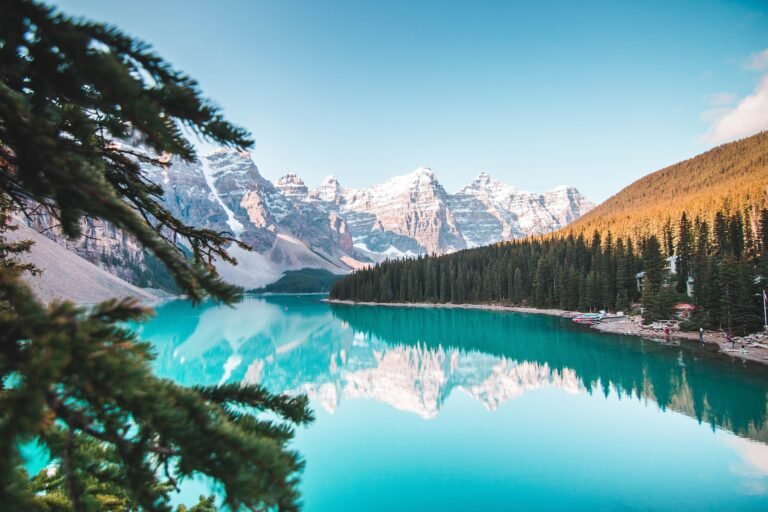
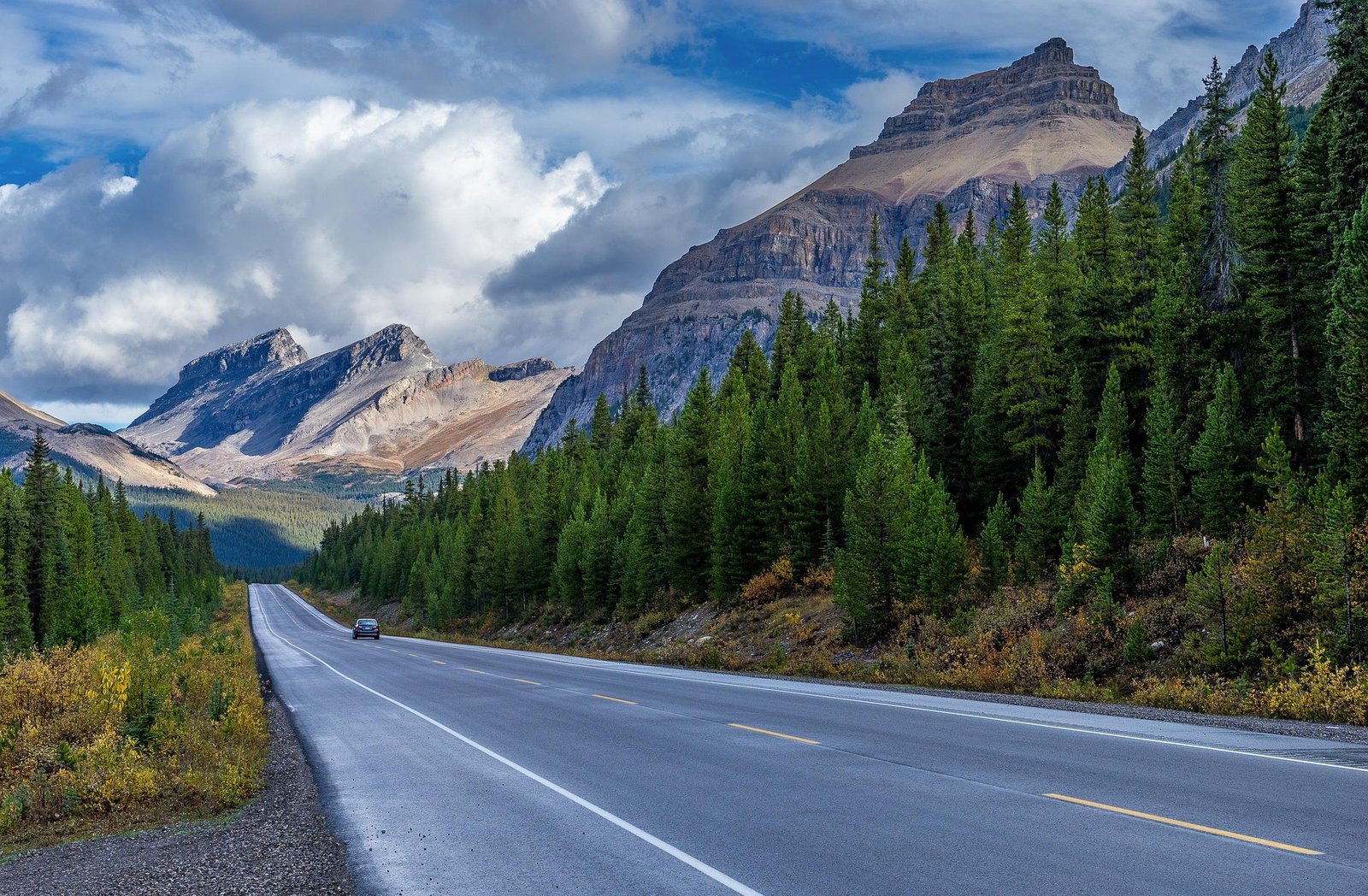
From Calgary, it’s just a two-hour drive west to Banff National Park, one of Canada’s crown jewels. The moment you see Lake Louise for the first time — its unreal turquoise water surrounded by snow-capped peaks — you’ll understand why travelers call it a bucket-list destination. Take time to hike trails like Plain of Six Glaciers or Johnston Canyon, or simply drive along the Icefields Parkway, one of the most beautiful roads in the world, connecting Banff to Jasper National Park.
Jasper, slightly quieter and wilder, offers crystal-clear lakes, deep forests, and frequent wildlife sightings — elk, bears, and maybe even wolves if you’re lucky. Don’t miss the Athabasca Glacier, where you can walk on ancient ice that’s thousands of years old.
For those seeking offbeat experiences, visit Drumheller, east of Calgary — known as the “Dinosaur Capital of the World.” The Royal Tyrrell Museum showcases some of the best-preserved fossils on Earth, and the surrounding Badlands are a geological wonder.
Alberta perfectly captures the essence of road travel — the feeling of awe, freedom, and smallness against nature’s scale. As you descend from the Rockies and the air grows thick with the scent of pine and ocean mist, you’ll cross into the final province of your cross-country adventure: British Columbia.
British Columbia: The Final Stretch to Vancouver
Welcome to British Columbia, where every curve of the road offers another jaw-dropping view. From glacier-fed rivers to dense rainforests and misty coastlines, BC feels like the grand finale of your Canadian epic.
Your first taste of the province will likely be in Yoho National Park, a lesser-known gem nestled right next to Banff. Make sure to stop at Emerald Lake, where the water is so vividly green it looks unreal, and hike to Takakkaw Falls, one of the tallest waterfalls in Canada.
Continue west through Revelstoke and Kamloops, two underrated mountain towns that offer perfect overnight stops. Revelstoke, in particular, is an adventurer’s paradise — hiking in summer, skiing in winter, and endless scenic lookouts all year round.
As you near Vancouver, the landscape changes again. Towering firs and misty valleys line the highway until you reach the Pacific Coast — your journey’s symbolic end. But before wrapping up, take time to explore Vancouver itself. It’s consistently ranked among the most livable cities in the world, and it’s easy to see why: mountains on one side, ocean on the other, and a vibrant mix of cultures in between.
Stroll through Stanley Park’s seawall, grab sushi in Gastown, and watch the sunset from English Bay Beach. For a final adventure, take the ferry to Vancouver Island — home to Victoria, the charming provincial capital, and wild coastal drives that feel like the edge of the world.
Standing on the Pacific shore after weeks of travel, you’ll realize how far you’ve come — not just across a country, but through its soul. From East to West, every province told part of the story that makes Canada truly unforgettable.
Where to Stay: Best Accommodations Across Canada
One of the joys of a cross-country trip is mixing up your stays — a balance between comfort and adventure. Here’s a breakdown of great accommodation types you’ll find along the way:
| Type | Best For | Example |
|---|---|---|
| Motels & Inns | Budget-friendly, easy access | Coastal motels in Nova Scotia |
| Campgrounds & RV Parks | Nature immersion | Jasper National Park campsites |
| Bed & Breakfasts | Local charm | Lunenburg or Quebec countryside |
| Boutique Hotels | City stays | Toronto, Montreal, Vancouver |
| Cabins & Lodges | Mountain escapes | Banff, Yoho, or Kootenay areas |
If you want flexibility, book a few nights ahead only for major cities, and keep the rest spontaneous. Apps like Booking.com, iOverlander, or Airbnb help you find unique stays along the way — everything from a lighthouse cabin to a forest yurt.
Top Tips for a Successful Cross-Canada Road Trip
By now, you’ve learned that driving across Canada isn’t just a holiday — it’s a full-blown expedition. To make it smooth, safe, and unforgettable, here are the most practical (and personal) tips seasoned travelers swear by:
1. Don’t underestimate distances.
Canada looks manageable on a map, but driving from Halifax to Vancouver means days of open road. Pace yourself. Plan shorter drives (5–7 hours max) and schedule rest days for hiking, exploring, or simply doing nothing. Your future self will thank you.
2. Keep your tank at least half full.
Gas stations can be 100 km apart in rural Ontario or the Prairies. Treat every refuel stop as your friend, not a chore. While you’re at it, stock up on water, snacks, and coffee — road-trip essentials that save the day when towns are few and far between.
3. Get the Discovery Pass.
This annual Parks Canada pass grants access to more than 80 national parks and historic sites. It pays for itself after three visits and keeps you rolling through Banff, Jasper, Fundy, and beyond without extra fees.
4. Mix highways with side roads.
Sure, the Trans-Canada is efficient, but magic often hides just off it — small coastal loops in Nova Scotia, scenic routes through Quebec’s Charlevoix region, or farm-to-market roads in Alberta. These detours are where stories (and Instagram photos) happen.
5. Download offline maps & playlists.
Signal drops happen. Download Google Maps offline regions and curate a few long playlists or podcasts. Music becomes the soundtrack of your memories — the song that will forever smell like pine and rain when you hear it again.
6. Embrace spontaneity.
Some of your best moments will be unplanned — a local recommending a secret waterfall, a roadside diner with the best pie on Earth, or a moose casually crossing your path. Leave blank days in your itinerary to follow curiosity.
7. Respect wildlife and nature.
Canada’s wilderness is majestic but fragile. Keep your distance from animals, store food properly in campgrounds, and always pack out what you bring in. “Take only pictures, leave only footprints” isn’t just a saying — it’s a promise.
8. Weather-proof everything.
In one trip, you might face ocean fog, prairie sun, and mountain snow. Layers are your best friend: breathable shirts, waterproof jackets, warm fleeces. Keep an emergency blanket and gloves in the trunk year-round.
9. Budget wisely, splurge occasionally.
Save on gas-station meals and basic motels so you can splurge on special moments — a whale-watching tour in the Maritimes, a night in a Banff lodge, or a fine-dining experience in Vancouver. Balance is the secret ingredient to travel happiness.
10. Document the journey.
Journal, vlog, or photograph every day. A cross-Canada road trip changes you, and years later, those details — the smell of spruce, the sound of loons at dusk — will matter more than you expect.
Follow these tips, and your adventure won’t just be smooth; it’ll be legendary.
Conclusion: The Road That Defines a Nation
When your tires finally roll into Vancouver and the salty Pacific air hits your face, you’ll realize you’ve done something extraordinary. You’ve not only crossed a country — you’ve lived it. From Nova Scotia’s fishing villages to British Columbia’s coastal rainforests, each province taught you something about resilience, diversity, and the quiet power of open roads.
A road trip from Halifax to Vancouver is more than 6,000 kilometers of asphalt; it’s a moving tapestry of cultures, climates, and landscapes stitched together by kindness and curiosity. You started at the Atlantic, watching waves crash on rocky shores, and ended at the Pacific, where mountains meet the sea. In between, you met countless faces, ate unrepeatable meals, and saw the country breathe in rhythm with the seasons.
Canada rewards those who take their time. It’s not about how fast you get there, but how deeply you see along the way. And when you look back on your journey, you’ll realize the road wasn’t just connecting cities — it was connecting pieces of yourself.
So fuel up, set your playlist, and hit the Trans-Canada Highway. The adventure of a lifetime is waiting — and it’s painted in maple leaves, mountain peaks, and endless skies.
FAQs
1. How long does it take to drive from Halifax to Vancouver?
Most travelers take three to six weeks, depending on stops. Driving straight would take around 60–70 hours, but rushing defeats the purpose — give yourself time to explore each province.
2. Do I need a special permit to drive across Canada?
No special permit, but you’ll need a valid driver’s license, insurance, and vehicle registration. International visitors should carry an International Driver’s Permit along with their home license.
3. What’s the best vehicle for a cross-Canada road trip?
A compact SUV or camper van offers the best mix of comfort, fuel efficiency, and storage. Ensure it’s well-maintained and ready for long distances.
4. Can I camp along the way?
Absolutely! Canada has hundreds of campgrounds in national and provincial parks. Book popular ones (like Banff or Jasper) early in summer, or try free “Crown Land” camping for a wilder experience.
5. Is it safe to drive across Canada alone?
Yes — Canada is one of the safest countries for solo travel. Just plan ahead, keep your car in good shape, and share your route with someone back home.