Tibet: Journey to the Roof of the World
In this article you will find…
A journey through Tibet, a place that feels closer to the sky than anywhere else on Earth. You will walk through the streets of Lhasa, climb to the golden roofs of the Potala Palace, spin prayer wheels alongside monks, and breathe the thin air of the Himalayas. However, this is not only a physical journey. It is also an inner pilgrimage, a slow awakening to silence, balance, and humility. Therefore, through this story, you will discover that Tibet is not simply a destination but a lesson in how to live — with reverence, simplicity, and deep connection to everything that breathes.
1. Arrival: Breathing the Sky
The plane descends slowly toward Lhasa, slicing through clouds that seem almost solid. The mountains stretch endlessly, white and gold under the sun. The landscape looks untouched, as if the earth here remembers what it was like before people walked it. When you step outside, the air feels thin, almost sacred. Every breath is deliberate, each one a reminder that you are now more than 3,600 meters above sea level. The wind carries the faint scent of juniper and incense. The horizon is clear, vast, infinite. Moreover, your first impression is not of a city but of light. Lhasa glows softly, its whitewashed buildings and red roofs blending perfectly with the land. The Barkhor Square is the heart of the city, and it beats with rhythm and devotion. Pilgrims circle the Jokhang Temple, spinning prayer wheels, murmuring mantras, and prostrating themselves with slow precision. The sound of their voices, low and steady, merges with the hum of the wind. In addition, every face tells a story — lines carved by sun and faith, eyes bright with kindness. You feel both foreign and strangely at home. Later, as you sit at a teahouse overlooking the square, monks in crimson robes walk past, laughing softly. The tea is salty and buttery, unlike anything you have tasted, yet comforting in its warmth. You realize that in Tibet, even something as simple as tea carries meaning — it is an offering, a gesture of respect, a symbol of presence. Eventually, as the sun begins to set behind the mountains, the air grows cold. The sky turns indigo, and the city lights flicker on like stars. You pull your scarf tighter and breathe deeply. The altitude presses gently against your chest, but beneath it, there is peace. The kind that makes you quiet, not out of awe, but out of gratitude.
2. The Potala Palace: Home of the Gods and of Memory
The next morning, the sun rises golden over Lhasa, and the Potala Palace glows like a vision. Perched on Marpo Ri Hill, it rises layer upon layer, its red and white walls shining against the blue sky. From below, it looks less like architecture and more like destiny. For centuries, it served as the winter home of the Dalai Lamas, a bridge between the spiritual and the earthly. Climbing its steps, you feel both the weight of history and the pull of something higher. The air thins further as you ascend, but you continue slowly, your heart pounding not only from altitude but from reverence. Moreover, every doorway you pass through seems to open onto another world. Golden statues of Buddhas glimmer in candlelight, the air thick with the scent of butter lamps. Monks move silently, their red robes brushing against stone worn smooth by centuries of devotion. The echo of footsteps fills the halls, mingling with distant chanting. You pause before a mural that depicts the Wheel of Life, its colors vivid and alive. The image seems to move as you look at it — birth, death, rebirth, all turning endlessly. In addition, from the upper terraces, the view of Lhasa spreads below like a painting. The city’s rooftops shimmer, and beyond them, the mountains stretch endlessly into blue haze. The wind is strong, pure, and full of sound — the fluttering of prayer flags, the whisper of the world itself. You close your eyes and listen. Time dissolves. For a moment, you understand why people call Tibet not the top of the world but its center. It feels like the earth’s heartbeat. Eventually, as you descend, you notice a small boy standing with his mother, his hand pressed against the palace wall. He smiles at you, shyly, as if sharing a secret. You realize that this place is not a monument to the past; it is a living memory, renewed every day by faith and love.
3. The Monasteries: Chant, Color, and Silence
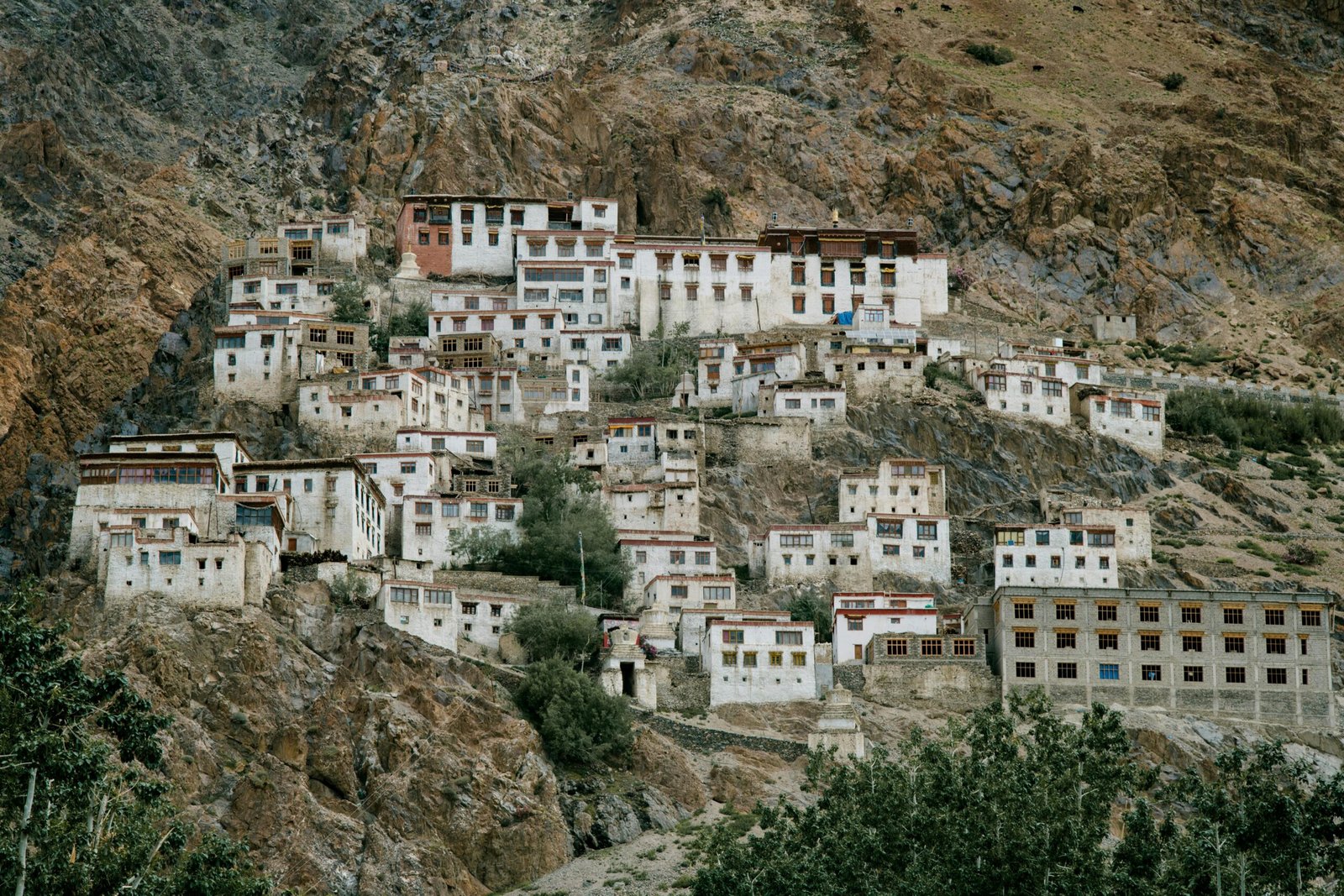
Beyond Lhasa, the roads wind through open plains and narrow valleys toward monasteries that seem suspended between heaven and earth. You travel first to Sera Monastery, famous for its debating monks. The courtyard is filled with movement — pairs of monks in deep discussion, one standing, one sitting, the air alive with the sound of clapping hands punctuating arguments about philosophy and compassion. Their faces glow with joy, their voices rise and fall like music. The debates are not confrontations but dances of the mind, a way of sharpening understanding. Watching them, you realize that faith here is not passive; it is alive, curious, and dynamic. Moreover, you continue to Drepung Monastery, once the largest in the world. The white buildings cascade down the hillside like snow, their roofs glinting in sunlight. Inside, the air is cool and heavy with the scent of incense and butter lamps. Long rows of monks sit cross-legged, chanting sutras that vibrate through the stone walls. The sound enters your bones. It feels less like hearing and more like being heard by the universe. In addition, you visit Ganden Monastery, high above the Kyi Chu Valley. The road climbs steeply, and the landscape becomes wilder with every turn. At the top, the monastery stands surrounded by clouds. Prayer flags stretch across the cliffs, fluttering in the wind like multicolored prayers. You walk slowly along the kora, the circular path around the complex, spinning prayer wheels as you go. Each spin feels like a heartbeat, each breath a blessing. Eventually, you reach a point where the view opens onto the valley below. The air is so clear that you can see for miles, and the silence is absolute. You sit down, the sun warm on your face, and feel something shift inside you. It is as if the world has paused, waiting for you to simply be. The monasteries of Tibet are not destinations. They are mirrors — they reflect back the quiet you carry within.
4. The High Plateau: Land of Sky and Wind
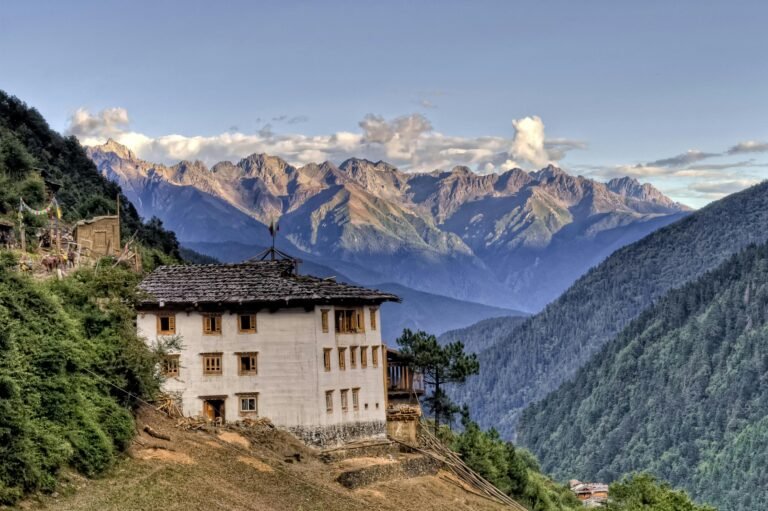
Leaving Lhasa, you travel west across the Tibetan Plateau, where the landscape stretches endlessly, wild and magnificent. The road winds through passes lined with prayer flags, their colors bright against the snow. Yaks graze lazily in the meadows, their bells tinkling softly in the wind. The air is dry, the sun fierce, yet the light feels gentle, filtered through purity. Every horizon seems to promise another. Moreover, traveling here changes your sense of scale. The world feels vast, but not empty. It feels full of presence — mountains that breathe, rivers that sing, wind that speaks. You stop at a small village, its houses made of stone and wood. Children run barefoot across the dusty street, laughing, their cheeks red from cold and altitude. A woman invites you into her home for tea. Inside, the walls are covered with images of deities, and the fire crackles with the smell of yak dung fuel. The tea is thick and buttery, and she pours it without hesitation, as though you were family. Her hospitality needs no words. In addition, as you continue, you cross Yamdrok Lake, one of Tibet’s most sacred bodies of water. Its surface glows turquoise, shifting with the light. The mountains reflect perfectly in its stillness. Locals believe the lake is a goddess, a guardian of balance and life. You stand by the shore, watching clouds drift across the reflection, and feel as though you are standing between two worlds — one above, one below. Eventually, you reach a mountain pass marked by thousands of prayer flags. The wind pulls at them, carrying their messages across the world. You tie your own flag among them, adding your small hope to the endless sky. The act feels humble but complete. You realize that here, faith is not about religion but about respect — for land, for life, for every breath that connects them.
5. The Rhythm of Life: People, Faith, and Resilience
As the days pass, you begin to see Tibet not as a place of isolation but of resilience. The people here live close to the elements, yet their joy is effortless. In Gyantse and Shigatse, markets fill with color — wool, spices, butter lamps, and prayer beads. The smell of barley bread and yak butter fills the air. Men wear wide-brimmed hats; women carry babies wrapped in bright shawls. Everything feels both fragile and eternal. Moreover, you notice how faith infuses every gesture. People spin prayer wheels as they walk, whispering mantras even while buying vegetables or repairing roofs. Every action becomes a form of meditation. In addition, Tibetan art reflects this same philosophy of presence. You visit a small workshop where artists paint thangka, intricate scrolls that depict Buddhas and mandalas. The precision is breathtaking — tiny brushstrokes, steady hands, colors made from crushed minerals. The artist, a young man named Tsering, explains that each painting can take months to complete, not because of complexity alone but because of intention. “The mind must be still,” he says, smiling. “Otherwise, the lines break.” His words stay with you. Later, in the evening, you attend a small ceremony at a local monastery. The chanting rises slowly, deep and resonant. Butter lamps flicker, casting shadows on the walls. The rhythm of the drums matches your heartbeat. Eventually, you close your eyes, letting the sound carry you. When you open them again, tears blur your vision, not from sadness but from recognition — the realization that peace is not found in escape but in acceptance.
6. The Return: Lessons from the Sky
On your last morning in Tibet, the sun rises over the mountains in a blaze of gold. The air is crisp, almost translucent. You walk one final time through Barkhor Square, where pilgrims continue their endless circles around the Jokhang Temple. The world moves, yet nothing feels rushed. You buy a small string of prayer beads from an old man who blesses them before handing them to you. His hands are rough, his smile pure. You thank him in halting Tibetan, and he laughs softly, nodding. The simplicity of the exchange feels profound. Moreover, as you sit later at a café overlooking the city, you realize that Tibet has changed you. It has taught you that silence is not emptiness but fullness. It has shown you that humility can be powerful and that beauty can exist without needing to be seen. In addition, as your plane takes off, the land stretches below — a tapestry of gold, blue, and white. Clouds drift across mountains, and rivers glint like silver threads. You press your forehead against the window, unwilling to look away. The horizon feels endless, but it no longer seems distant. Tibet, with its sky and wind and prayer, has brought you closer to everything that matters. Eventually, as the plane rises higher, the land fades into cloud. Yet you know that part of you will remain there, walking in rhythm with the pilgrims, breathing the high, thin air of peace.