From Cenotes to Soul: Exploring the Hidden Magic of the Yucatán Peninsula
In this article you will find…
A journey through the beating heart of the Yucatán Peninsula, where nature, history, and spirituality intertwine like the roots of the ceiba trees that rise from the jungle floor. You will swim in sacred cenotes, wander through the ancient stones of Chichén Itzá, and lose yourself in the pastel streets of Valladolid and Mérida.
However, this is not only a story about places. It is also a story about energy — about how the Yucatán teaches you to slow down, to listen, and to rediscover what it means to be connected to the earth.
Throughout these pages, you will meet the ocean and the jungle, the ruins and the rituals, the people who carry the wisdom of the Mayas, and the silence that speaks louder than words inside the blue waters of a cenote.
1. Tulum: Between the Jungle and the Sea
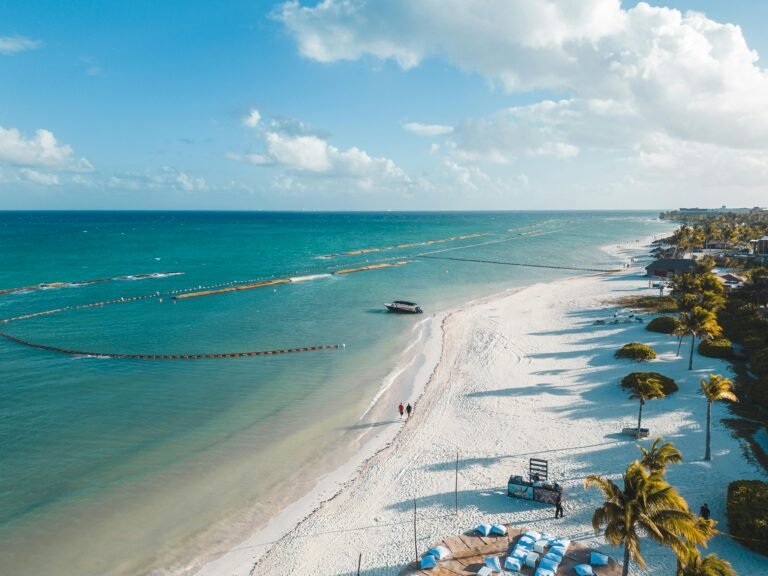
If paradise had a rhythm, it would sound like the waves of Tulum. The first time I arrived, the heat wrapped around me like an embrace, the scent of salt and copal smoke drifted through the air, and the turquoise horizon stretched endlessly ahead. In fact, Tulum feels like a place suspended between worlds — wild and refined, ancient and effortlessly modern.
The morning begins slowly here. You wake up to the sound of cicadas and the murmur of palm leaves brushing against each other. Breakfast might be fresh papaya and coconut water at a beachfront café, your feet still covered in sand from an early walk. Moreover, every moment seems to invite mindfulness.
Although many travelers come for the beaches, the soul of Tulum lies beyond the shoreline. Visiting the Tulum Ruins, perched dramatically on cliffs above the Caribbean Sea, is a reminder of how nature and civilization once lived in harmony. The temple walls, still kissed by the morning light, whisper of gods, stars, and the cycles of the sun.
In addition, the surrounding jungle hides treasures of its own. The Gran Cenote and Cenote Calavera are portals to another world — clear blue waters where light filters through limestone caverns. When you dive beneath the surface, the world above dissolves. Time ceases to matter, and you feel suspended between air and water, weightless and free.
Later, when the heat grows stronger, the beach becomes your sanctuary again. Hammocks sway under palm trees, and the sound of the ocean creates its own meditation. Eventually, as the sun begins to set, the sky melts into shades of coral and violet, and the energy of Tulum shifts from serenity to celebration.
At night, music floats through the jungle, candles flicker along sandy paths, and strangers share stories under the stars. The air feels electric yet tender, and in those moments, you understand that Tulum is not a destination — it is an awakening of the senses.
2. Valladolid: The Soul of the Cenotes
A few hours inland from the coast lies Valladolid, a colonial town that feels timeless and sacred all at once. Its pastel-colored streets are lined with old haciendas and shaded by trees heavy with blossoms. Life moves gently here, and every detail — from the scent of tortillas in the market to the echo of church bells at noon — feels like part of a slow, perfect rhythm.
However, Valladolid is best known for its proximity to some of the most stunning cenotes in Mexico. These natural sinkholes were considered sacred by the ancient Mayas, who believed they were portals to the underworld. Today, they remain places of awe and reflection.
Just outside town, Cenote Suytun glows like a dream. A single beam of sunlight pierces through the circular opening above, illuminating the blue water below like a spotlight. When you stand on the stone platform in the center, surrounded by echoes and dripping water, it feels like standing inside the heartbeat of the earth.
Furthermore, Cenote X’keken and Cenote Samulá offer different atmospheres — deeper, darker, and utterly mesmerizing. Swimming in those waters feels like returning to something ancient within yourself. The silence wraps around you, and as you float beneath the stalactites, the line between the physical and the spiritual begins to blur.
Afterward, wandering through Valladolid’s main square, you might stop for a plate of cochinita pibil, slow-roasted pork marinated in citrus and achiote, served with pickled onions. The flavors are intense yet comforting, and every bite feels like an echo of tradition.
In the evening, the town transforms. Lanterns glow softly, locals gather to talk and laugh, and music drifts from open doorways. The air cools, the colors deepen, and you feel wrapped in something both familiar and mysterious. In fact, Valladolid has that rare ability to make you feel at home in a place you have never been before.
3. Chichén Itzá: The Stone Memory of the Mayas
Driving deeper into the Yucatán, you arrive at Chichén Itzá, one of the most iconic archaeological sites in the world. However, to call it a “ruin” feels inaccurate — it is a living monument, pulsing with history and cosmic precision.
As you approach El Castillo, the great pyramid dedicated to Kukulkán, the air seems to thicken with reverence. The structure rises with perfect symmetry, aligned precisely to the sun. During the equinox, light and shadow merge on its steps, creating the illusion of a serpent descending from the heavens. This is not coincidence; it is the embodiment of a civilization that understood the universe better than we often do today.
Walking among the temples, the Ball Court, and the Observatory, you begin to sense how knowledge and spirituality were intertwined here. The Mayas built not only with stone but with intention. Every wall, every carving, every alignment speaks of balance — between sky and earth, male and female, life and death.
Moreover, as you wander through these structures, it becomes impossible not to feel small in the best possible way. The sound of the jungle hums all around you — birds calling, leaves whispering, the distant echo of footsteps. In that soundscape, you understand that this site was not meant to impress but to remind. To remind us that human beings are part of something infinitely greater.
In addition, beyond the historical facts, there is emotion here. Many travelers come to photograph the ruins, but if you stand still long enough, you will feel their heartbeat. The stone is warm from centuries of sunlight, and the energy feels alive. It is as if the earth itself remembers every prayer ever whispered within these walls.
After exploring, stop at a roadside stall nearby for agua de jamaica and a plate of tamales wrapped in banana leaves. The sweetness of the hibiscus drink and the spice of the food ground you back into the present moment, and you carry both awe and gratitude with you as you leave.
4. Mérida: The Cultural Heartbeat of the Yucatán
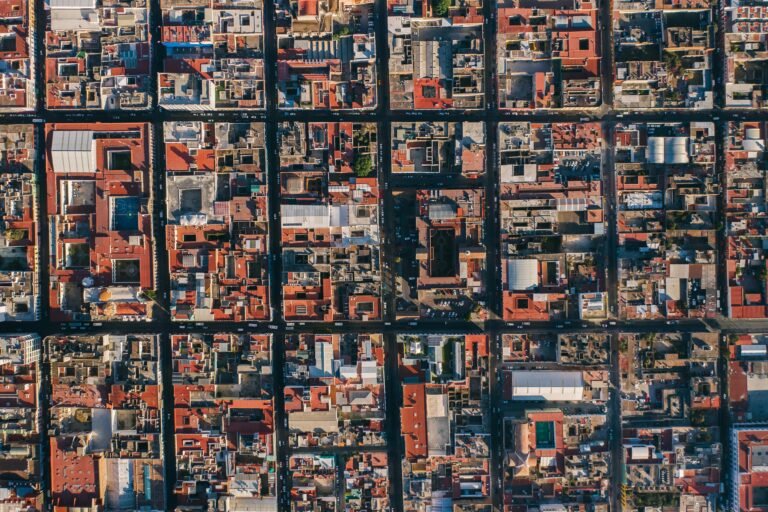
Continuing westward, you reach Mérida, the elegant capital of the Yucatán Peninsula. Unlike the quiet mysticism of Valladolid or the wild beauty of Tulum, Mérida pulses with life. Its plazas are filled with music, markets, and the aroma of street food sizzling on the grills.
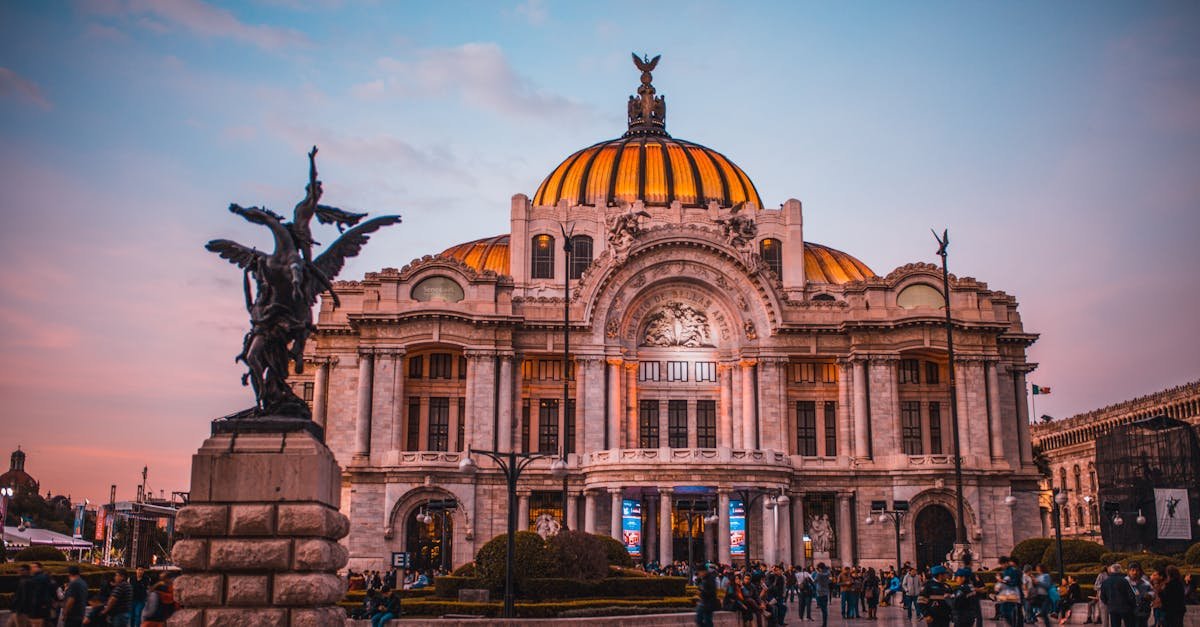
In fact, Mérida feels like a conversation between past and present. The colonial architecture stands proudly beside contemporary art galleries, and traditional Mayan healers share the same streets with modern cafés serving cold brew. This blend gives the city a rhythm that is entirely its own.
Start at the Plaza Grande, where locals gather under the shade of ceiba trees. Vendors sell handmade hammocks in every color imaginable, and couples dance to live trova music. You can visit the Palacio de Gobierno, where murals depict the history of the Mayas with emotion and artistry.
Moreover, Mérida’s culinary scene deserves special attention. Visit the Lucas de Gálvez Market, a labyrinth of colors and scents. Here you can taste panuchos, tortillas stuffed with beans and topped with turkey and avocado, or sopa de lima, a fragrant lime soup that refreshes the soul. Every dish tells a story of fusion — Spanish, Caribbean, and Indigenous influences woven together into something unique.
At sunset, the Paseo de Montejo comes alive with golden light. Mansions from the 19th century line the avenue, and their balconies seem to catch fire in the last rays of the sun. Eventually, as the evening deepens, the city fills with laughter. Street performers dance, children chase balloons, and musicians fill the air with melody.
Mérida is more than a city. It is a reminder that culture, when nurtured, becomes a living rhythm. The people here embody joy not as performance but as philosophy. They celebrate not just life but presence.
5. Playa del Carmen: Where the Journey Meets the Sea Again
After so many days inland, returning to the coast feels like a circle completing itself. Playa del Carmen welcomes you with warmth and energy. The Caribbean sparkles under the sun, and the streets hum with life.
However, beneath the lively surface lies a sense of tranquility. Early mornings are the best time to feel it. Walk along the beach before sunrise, when fishermen push their boats into the water and pelicans dive for breakfast. The air is cool, and the world feels new again.
Moreover, Playa del Carmen is a gateway to both adventure and introspection. You can take a ferry to Cozumel for snorkeling among coral gardens, or you can find quiet in hidden cenotes nearby, such as Cenote Azul or Cenote Cristalino, where the water is as clear as glass.
In the afternoons, cafés along Quinta Avenida fill with laughter and conversation. You might meet travelers from every corner of the world — all of them drawn here by the same invisible pull. The blend of cultures creates a harmony that feels uniquely Mexican: vibrant, spontaneous, full of heart.
As the day ends, find a rooftop bar and watch the sky dissolve into gold and indigo. The sea reflects every shade, and the city glows softly below. Eventually, music begins to drift through the air, the rhythm of drums and guitar merging with the sound of the waves.
In that moment, you realize that the Yucatán has given you more than beautiful memories. It has given you stillness, perspective, and a quiet kind of joy that lingers even when you leave.
The journey from cenotes to sea is really a journey inward — from surface to depth, from movement to meaning, from sight to soul.