Yunnan Magic: Tea Trails, Sacred Mountains, and the Spirit of the South
In this article you will find…
A journey through the Yunnan, a land where mountains breathe mist and time drips as slowly as tea from a clay pot. You will walk through the cobblestone lanes of Lijiang, sail across the calm waters of Erhai Lake near Dali, and wander the ancient Tea Horse Road, where caravans once carried leaves of jade-colored tea toward Tibet and beyond. However, this is not a simple route across geography. It is a pilgrimage through harmony — between people, nature, and spirit. Therefore, through this story, you will discover that Yunnan’s true magic lies in connection: the connection between the living and the sacred, between the stillness of mountains and the rhythm of the heart.
1. Lijiang: Where Rivers Remember Songs
Your journey begins in Lijiang, one of the most enchanting towns in China, nestled at the foot of the Jade Dragon Snow Mountain. The air here feels light, touched with the scent of pine and distant snow. Cobbled streets wind like rivers through an old town built of wood and stone, its roofs curved elegantly upward toward the sky. Small canals run alongside the lanes, their water clear as glass, carrying reflections of red lanterns and blossoming cherry trees. The sound of trickling water follows you everywhere. Moreover, Lijiang is a place that invites wandering. You cross bridges covered with moss, pass courtyards draped in bougainvillea, and hear music drifting from open doors. The Naxi people, the region’s original inhabitants, still wear traditional blue tunics and silver jewelry that shines softly in the sunlight. Their language, Dongba, uses pictographic symbols that date back thousands of years. It feels like walking through a storybook that never ended. In addition, you climb toward the Lion Hill Pavilion, where the view opens over the entire old town. The rooftops stretch like waves of gray tile, framed by mountains that seem to float in the sky. The bells of nearby temples chime softly, carried by the wind. You stand still, overwhelmed by the balance of human craft and natural beauty. Later, in a small courtyard café, you sip Pu’er tea — dark, earthy, and rich, aged for years in bamboo baskets. The flavor feels like time itself, deep and grounding. A local woman tells you that in Lijiang, tea is not just a drink but a meditation. You nod, understanding that this place has already slowed your heartbeat. Eventually, as evening falls, lanterns light the canals and music fills the air. Couples dance by the bridges, the water glowing red and gold beneath them. Lijiang feels alive, yet calm — a town that knows how to hold stillness and celebration in the same breath.
2. The Tea Horse Road: Following the Scent of Time
Leaving Lijiang, you trace the path once known as the Ancient Tea Horse Road — an old trade route that connected China with Tibet, India, and beyond. The road winds through mountains veiled in mist, where tea plantations stretch in terraces of green silk. Farmers move slowly between the rows, their hands careful, their baskets filled with leaves that glisten with morning dew. The scent of tea fills the air, soft and vegetal, almost sweet. Moreover, as you walk, you realize that this route was not merely about commerce. It was about exchange — of goods, yes, but also of stories, languages, and faiths. The path feels sacred because it holds footsteps from centuries of travelers, monks, and merchants who believed that movement itself could be prayer. In addition, you stop in a small town called Shaxi, once a vital rest point for caravans. Time here seems to have paused. The Old Theatre Square, built from warm stone, still hosts performances of local opera during festivals. Wooden balconies lean gently over the streets, and the Friday Market fills with color: spices, wild honey, textiles dyed with indigo, and handmade pottery that still smells faintly of clay. A farmer offers you a piece of dried yak cheese, smiling as you hesitate. You accept, and the taste — sharp, earthy, unexpected — makes you laugh. It feels like the road itself: simple, strong, unforgettable. Later, you share tea with an old man who once worked as a caravan guide. His hands are weathered, his eyes bright with memory. He tells you that every traveler who carried tea up these mountains carried blessings too. “The mountain drinks with us,” he says softly. You understand then that the road was never just a passage through land; it was a thread that tied people to the earth, to each other, and to something greater than either. Eventually, the path narrows again, leading into silence. The only sound is wind moving through bamboo, whispering stories older than language.
3. Dali: Between Lake and Sky
Further south, the road brings you to Dali, a town that feels like a dream reflected in water. It sits beside the vast Erhai Lake, whose name means “ear-shaped sea.” The surface of the lake mirrors the clouds perfectly, turning sky and water into one endless horizon. The Cangshan Mountains rise behind the town, their peaks often wrapped in mist. Everything feels in balance. Moreover, Dali is a place where stillness feels alive. Early in the morning, fishermen cast their nets from small boats, their silhouettes gliding across the silver surface. The air smells of rain and jasmine. You walk through Dali Old Town, where whitewashed houses bear black calligraphy that reads poems about nature and harmony. Bougainvillea drapes over every wall, and the sound of bells rings softly from distant temples. In addition, Dali has always been a crossroads. The Bai people, the local ethnic minority, have lived here for centuries, blending Han, Tibetan, and Southeast Asian influences into something uniquely their own. Their markets overflow with handmade silver jewelry, dyed fabrics, and piles of fragrant herbs. You stop for lunch at a small family-run restaurant, where the owner serves cross-bridge rice noodles, a Dali specialty with a story of love behind it. The broth is rich and fragrant, served in a steaming bowl to which you add thin slices of meat, vegetables, and herbs one by one. It is comfort in a bowl. The woman smiles as you eat, pleased that you take your time. She tells you that here, food is a way of remembering — every recipe holds a story. Eventually, you rent a bicycle and ride along the lake’s edge. The wind off the water feels cool against your skin, carrying the scent of algae and pine. Farmers wave from their fields, children laugh as they chase each other along the road, and the mountains watch in silence. You stop to rest beneath a willow tree, your reflection rippling in the water. Dali teaches you that serenity is not stillness without motion but motion without noise.
4. Sacred Mountains and Ancient Temples
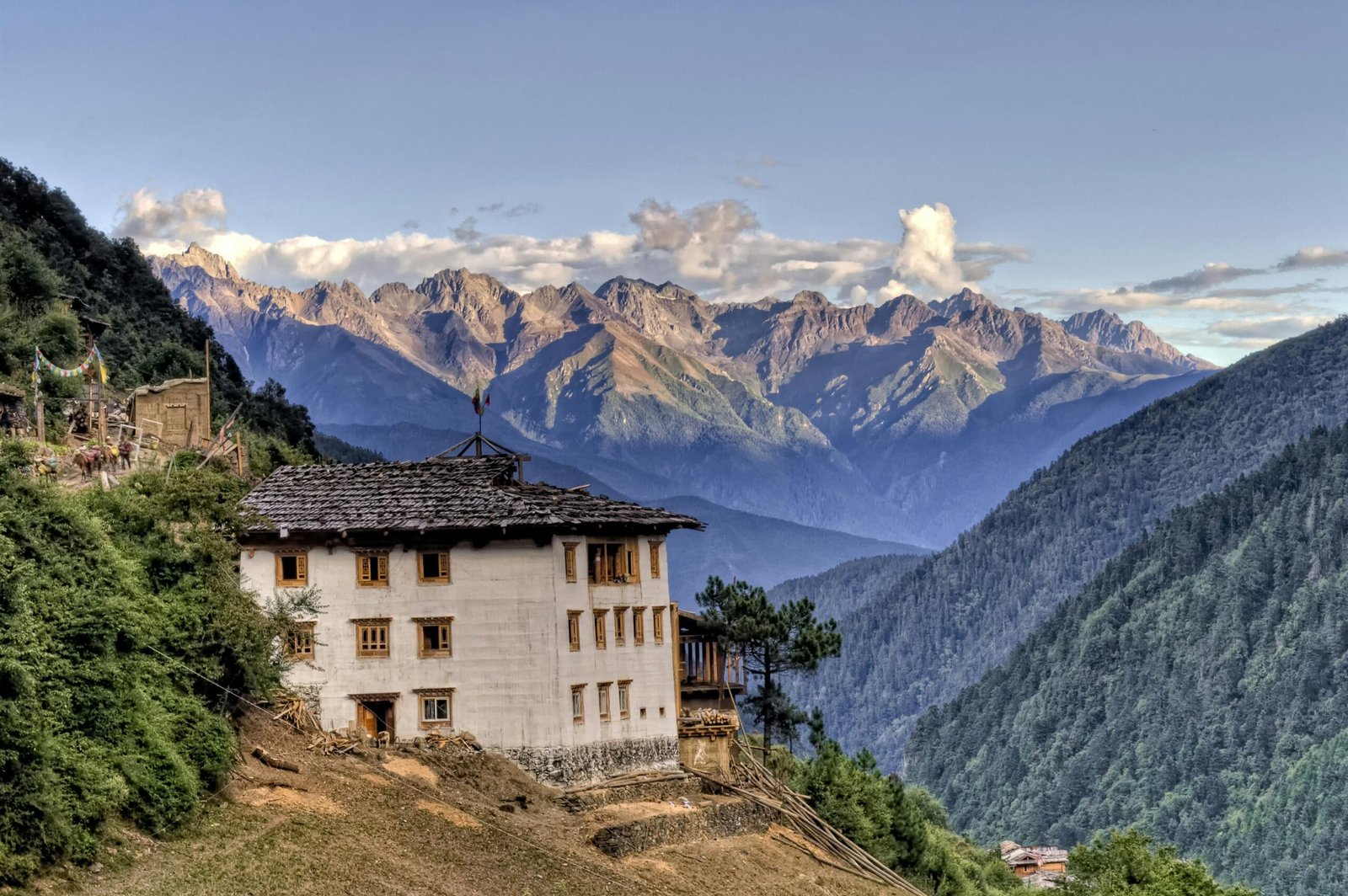
The Yunnan is full of mountains that seem to breathe. Some are sacred, others simply magnificent, all of them deeply alive. From Dali, you travel toward the Shangri-La region, where the air grows thinner and colder, and the world begins to resemble the Tibetan plateau. The Meili Snow Mountain, also known as Kawagarbo, is one of the most revered peaks in all of China. Locals believe it is the home of a warrior god, and no one has ever successfully climbed it. The respect is absolute — to conquer it would be to misunderstand it. You stand at dawn on a viewpoint above the valley, and the mountain reveals itself slowly as the first light touches its summit. The snow glows gold, the clouds drift away, and the silence feels sacred. Moreover, the experience feels almost unreal. Around you, prayer flags ripple in the wind, each one carrying hopes into the sky. A monk offers you a cup of hot butter tea, and you hold it carefully, feeling its warmth spread through your hands. No words are needed. In addition, as you travel back toward the lower valleys, you stop at Zhoucheng Village, where indigo dyeing has been practiced for centuries. Women in blue aprons sit in courtyards stirring vats of deep blue liquid, dipping white fabric into the dye and pulling it out in swirling patterns. The scent of herbs and salt fills the air. One of them smiles and gestures for you to try. Your hands turn faintly blue, and everyone laughs. The simplicity of the moment, the kindness of strangers, the art born from patience — it all becomes part of the same rhythm. Eventually, you realize that these mountains and villages share the same lesson: reverence. Whether it is for gods, for craft, or for the earth itself, reverence is the language everyone here speaks fluently.
5. The Spirit of Tea: Connection and Stillness
If Yunnan has a soul, it is made of tea. The Pu’er region, in the southern part of the province, is where the world’s oldest tea trees still grow, some more than eight hundred years old. The hills are wrapped in mist, the soil rich with history. You walk among terraces of green leaves glistening in the morning dew. The air smells fresh and sweet. Farmers move gracefully between rows, picking each leaf by hand. The silence is complete except for the soft rustle of baskets filling. Moreover, tea here is not an industry; it is a philosophy. The farmers treat the plants as living beings, speaking to them softly, thanking them for their harvest. You visit a small tea workshop where a woman named Mei shows you the process of pressing Pu’er tea cakes. She moves slowly, rhythmically, turning the leaves, shaping them, wrapping them in paper printed with red characters. The air is filled with warmth and fragrance. You taste the tea she prepares — strong at first, then soft, almost floral. It leaves a lingering sweetness on your tongue. Mei smiles and says, “Good tea, like life, is bitter first, then sweet.” Her words echo as you sit in silence, watching the steam rise from your cup. In addition, you notice how the ritual of tea connects everything here: people, mountains, and time. It is shared during births, weddings, mourning, and quiet afternoons. It is both everyday and sacred. Eventually, you realize that in Yunnan, to drink tea is to practice gratitude. You carry that understanding with you as you walk through the tea fields, each leaf shining under the sun like a small mirror reflecting peace.
6. Nightfall in Dali: The Music of Stillness
On your final evening, you return to Dali, where the air smells of rain and incense. The lake glows silver under the moonlight, and the streets of the old town hum softly with life. You hear the sound of a flute drifting from a balcony, mixing with the laughter of people dining outdoors. Lanterns sway in the wind, their light golden against the white walls. You sit by the water, watching ripples spread slowly across the surface. Moreover, you think about everything the Yunnan has given you — not moments of excitement but of peace, not noise but resonance. It is a place that teaches by being, not by showing. In addition, you feel the weight of calm settle gently inside you, like dust on still water. A local musician joins you by the lakeside, plucking a few notes on an erhu, the two-stringed Chinese violin. The melody rises and falls, soft and melancholic, like memory. You listen in silence, the sound blending with the faint murmur of waves. Eventually, he finishes and smiles, as if knowing exactly what you are thinking. You thank him quietly, and he nods. The night deepens, the stars shimmer above, and the mountains stand dark and eternal in the distance. When you finally rise to leave, the air feels lighter, your breath easier. The world beyond Yunnan will seem faster, louder, brighter, but somewhere inside, you will carry this stillness — the soft rhythm of tea, of kindness, of wind moving through the leaves.